
Aloe bargalensis
Aloe bargalensis
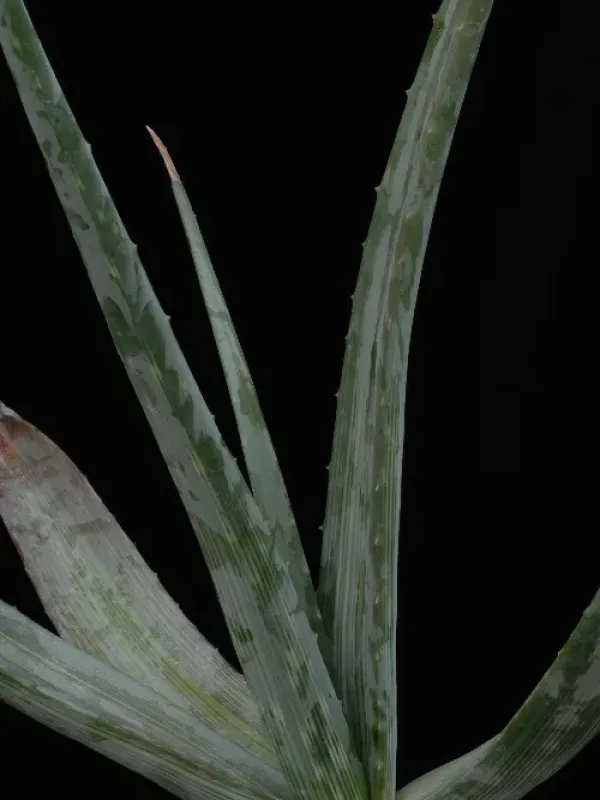
Description
Growing requirements
Aloe bargalensis is a rare succulent species from the Asphodelaceae family, native to the arid regions of Somalia. In its natural habitat, the plant grows in rocky soils, adapted to extremely high temperatures and prolonged periods of drought.
For successful cultivation, this species requires a well-drained soil mixture that closely mimics its natural substrate. An ideal choice is a blend of loam, coarse sand, and gravel to ensure rapid moisture drainage from the root system.
The plant is highly heliophilic and requires intense sunlight throughout the entire day. When grown in protected ground or greenhouses, it is essential to ensure good air circulation, as stagnant humid air is detrimental to leaves prone to fungal infections.
The crop is extremely sensitive to overwatering, especially during the winter dormancy period. Watering should only be carried out after the soil ball has completely dried out to prevent root rot, which is the most common problem when cultivation techniques are ignored.
The temperature regime must meet subtropical and tropical standards. The optimal range is between +20 and +30 degrees Celsius during the growing season, while it is important to avoid sharp temperature fluctuations and cold drafts.
Main diseases and pests
The main threats to Aloe bargalensis include various types of root and stem rots caused by substrate waterlogging and poor ventilation.
Among pests, the mealybug and spider mite pose the greatest danger, as they can spread rapidly in dry air and high temperature conditions.
Disease prevention consists of strict adherence to the watering regime and the use of fungicides in the early stages of identifying leaf spots.
Regular inspection of the plant rosette allows for the timely detection of insects and the localization of infestation sites before they cause serious damage to the crop.
Using high-quality planting material and sterilizing the potting mix before planting significantly reduces the risks of spreading soil-borne pathogens in the culture.