
Aloe armatissima
Aloe armatissima
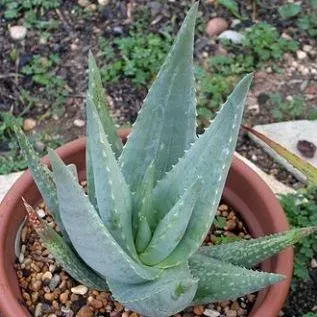
Description
Growing requirements
Aloe armatissima belongs to the Asphodelaceae family and is a distinctive succulent species native to the arid regions of the Arabian Peninsula. Its morphological structure is adapted to extreme heat and prolonged droughts.
The plant requires full sun exposure to maintain its compact rosette shape and vibrant leaf color. Placing the plant in shaded areas leads to etiolation and weakens the structural integrity of the succulent leaves.
Soil requirements focus on extreme drainage. A cactus-specific mix with a significant proportion of inorganic matter such as coarse sand, pumice, or expanded clay is essential to prevent moisture retention at the roots.
Climatic conditions for cultivation must avoid temperatures below freezing. During the growing season, temperatures between 20°C and 30°C are ideal, while a cooler and drier period during winter is required to induce dormancy.
Watering management is the most critical aspect of the cultivation technique. It should follow the soak-and-dry method, ensuring the soil is completely dry throughout before the next irrigation to avoid fatal root rot.
Main diseases and pests
The most common agricultural threats to Aloe armatissima are root and crown rot, primarily induced by overwatering and poor soil aeration which encourage the development of opportunistic pathogenic fungi.
Mealybugs are the most frequent insect pests, often hiding in the dense base of the leaves. Their presence can be identified by the white, cotton-like substance they produce during infestation.
Scale insects also pose a threat, as they attach themselves to the foliage and extract plant sap, eventually weakening the entire specimen if left untreated.
Effective management includes regular monitoring of leaf axils and the root collar for early signs of decay or pest presence. Using systemic insecticides can help manage severe outbreaks.
Maintaining a clean growing environment and ensuring proper air circulation are the best cultural practices to reduce the incidence of both fungal pathogens and insect pests.