
Aloe archeri
Aloe archeri
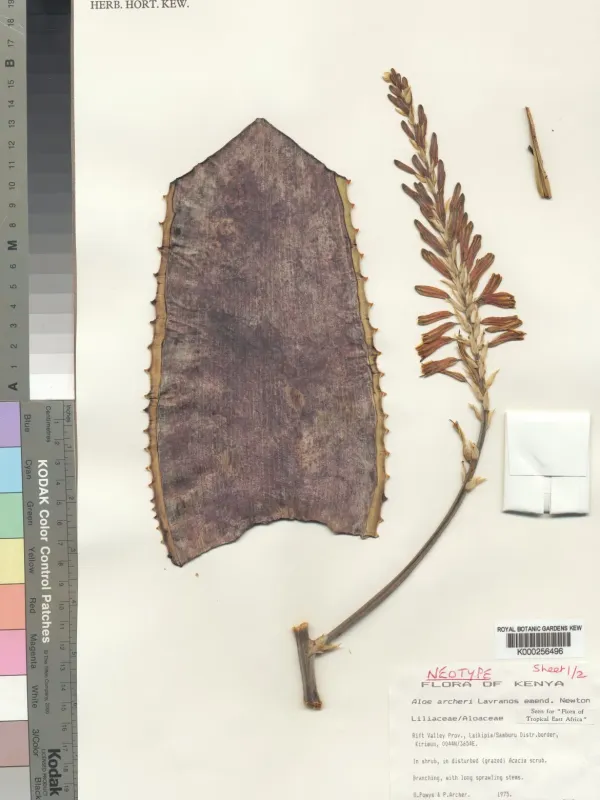
Description
Growing requirements
Aloe archeri is a rare succulent plant species belonging to the Asphodelaceae family. Native to the mountainous regions of Ethiopia, this plant has evolved to store significant water reserves in its succulent leaves, allowing it to survive in arid, high-altitude environments.
For optimal growth, the species requires high levels of bright, indirect sunlight. In indoor or greenhouse settings, providing consistent light levels ensures the plant maintains its compact, structural shape rather than becoming etiolated.
Soil composition is critical for this species. It demands a highly porous, gritty substrate that ensures rapid drainage. A mix of pumice, perlite, and coarse sand combined with minimal organic matter is ideal for preventing root suffocation.
The plant thrives in temperatures between +20°C and +28°C during the growing season. A distinct drop in temperature to +12°C to +15°C is recommended during the winter dormancy period to mirror natural conditions and prevent excessive growth during low-light months.
Agrotechnical management relies heavily on the "soak and dry" method, where the plant is watered only when the growing medium is completely dry throughout the entire container depth.
Main diseases and pests
Root rot is the most significant threat to Aloe archeri, typically caused by overwatering or poorly draining soil. When the roots remain wet for extended periods, they become susceptible to fungal infections that quickly decay the plant.
Mealybugs are common pests that target the tight crevices between leaves. These sap-sucking insects can severely weaken the plant if left unchecked, often necessitating systemic insecticide treatments or localized removal with alcohol.
Scale insects present a constant challenge, as they attach themselves to the leaf surface and protect themselves with a hard shell. Early detection is vital to prevent these pests from spreading throughout the collection.
Spider mites can become problematic in low-humidity environments, especially during the dry winter months. They cause stippling on the leaves, which detracts from the plant's aesthetic value and overall vigor.
To maintain plant health, it is essential to ensure adequate airflow and periodically inspect the foliage for early signs of infestation or disease. Sanitation of tools is a standard practice to prevent pathogen transmission.