
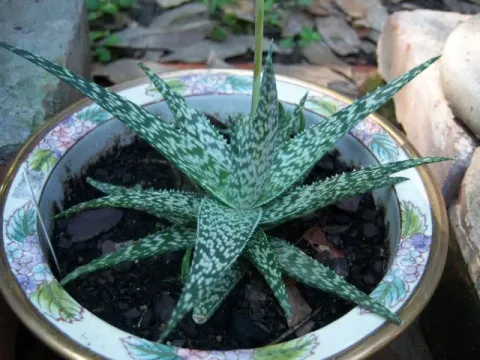
Aloe bella
Aloe bella
Aloe bella is a specialized succulent species within the Asphodelaceae family. This plant is recognized for its compact growth habit and elegant rosettes of fleshy leaves, which often display unique pigmentation patterns typical of the genus.
What the section contains
Aloe bella
Originating from the arid regions of Southern Africa, this species has adapted to survive in harsh environmental conditions. Its evolutionary history has endowed it with high tolerance to drought and poor soil quality, making it a resilient plant for specialized cultivation.
Successful cultivation requires a substrate with excellent drainage properties. A mix containing coarse sand, gravel, and perlite is highly recommended to ensure oxygen reaches the root system and to prevent the accumulation of excess moisture.
Light intensity is a critical factor for the health of Aloe bella. While it thrives under bright light, providing filtered sunlight is essential in greenhouse environments to prevent leaf scorch and ensure the plant maintains its natural, healthy form.
Climate requirements involve maintaining a temperature range between 20°C and 25°C during the active growing season. During winter, a cooler resting period with temperatures around 12°C to 15°C is beneficial for the plant's overall biological cycle.
Root rot is the most common physiological disorder affecting Aloe bella, primarily caused by overwatering or poor soil drainage. When the roots remain wet for extended periods, the tissues decay, which can lead to the total loss of the plant if not corrected.
Common pests include mealybugs and spider mites. Mealybugs typically congregate in the leaf axils, creating a cotton-like secretion, while spider mites cause fine stippling on the leaves, which can lead to premature wilting and reduced vigor.
Managing these threats requires a proactive approach centered on proper irrigation. Always check the moisture levels of the soil substrate before applying water to ensure the soil is dry, mimicking the natural drought cycles of the species' origin.
In case of pest infestation, manual removal using cotton swabs dipped in alcohol is effective for minor attacks. For severe cases, application of mild horticultural oils or specific systemic insecticides is necessary to eradicate the colonies effectively.
Regular sanitation of the growing environment is essential to minimize the risk of fungal infections. Removing dead leaves and debris from the base of the plant prevents the creation of micro-habitats where pathogens and pests thrive.