
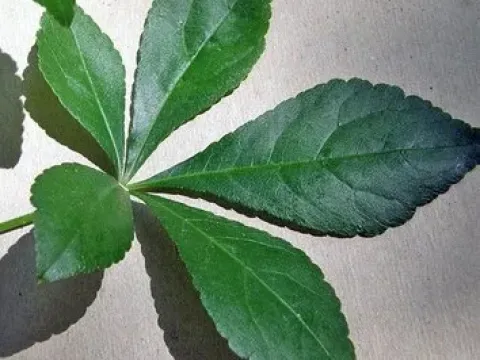
Eleutherococcus giraldii
Eleutherococcus giraldii
The propagation of Eleutherococcus giraldii is primarily achieved through vegetative means, such as green cuttings, which should be harvested during the active growing season.
What the section contains
Eleutherococcus giraldii
Seed propagation is notoriously difficult due to low germination rates, requiring a rigorous two-stage stratification process to break seed dormancy effectively.
Seedlings should be transplanted to their final location either in early spring before bud break or in the autumn to allow for proper root establishment.
Spacing is a critical factor, with a recommended distance of at least 1.5 to 2 meters between plants to accommodate the spreading nature of the root system.
Choosing a site with excellent drainage is essential, as the species is highly sensitive to waterlogged conditions that can compromise root health.
Eleutherococcus giraldii is a hardy deciduous shrub belonging to the Araliaceae family, native to the mountainous regions of Central China.
This crop thrives in fertile, loamy, and well-aerated soils that are rich in organic matter, providing the necessary nutrients for vigorous annual growth.
While the plant is relatively shade-tolerant, optimal development and high secondary metabolite production occur when it receives sufficient dappled sunlight.
Protection from harsh, desiccating winds is important, especially during the initial years of growth to ensure the plant can successfully adapt to its environment.
Regular irrigation is required during the first few growing seasons, particularly during dry spells, to support the development of a deep and robust root system.
The primary economic value of Eleutherococcus giraldii lies in its roots and rhizomes, which are utilized for their potent adaptogenic and tonic properties.
Harvesting usually begins when the plantation reaches 5 to 7 years of age, ensuring the roots have developed sufficient biomass and active compound concentration.
Average yields depend on soil quality and maintenance, typically providing between 1.5 to 2 kilograms of dry raw material per mature plant.
Post-harvest processing involves thorough cleaning of the roots, followed by careful drying at temperatures not exceeding 60 degrees Celsius to preserve efficacy.
The concentration of eleutherosides in the roots serves as the primary quality metric for the pharmaceutical and nutraceutical industries using this crop.
Eleutherococcus giraldii displays strong natural resistance to many common horticultural pathogens, making it a viable option for organic cultivation systems.
Root rot remains the most significant threat, particularly in soils with poor drainage where stagnant water allows opportunistic fungi to attack the root tissues.
Insect pests, including aphids and leaf-rolling caterpillars, may occasionally infest the foliage, potentially stunting growth if left entirely unmonitored.
Preventative strategies should prioritize cultural practices, including proper plant spacing and the removal of any diseased or dead woody tissue during pruning.
Chemical control measures are generally avoided to ensure the purity and safety of the raw material harvested for medical use in herbal supplements.
The optimal time for root harvest is in late autumn, when the plant has entered dormancy and the concentration of bioactive compounds is at its annual peak.
Harvesting should be performed carefully to avoid damaging the secondary roots, as these often contain the highest density of essential phytochemicals.
Immediate primary processing after extraction is vital to prevent degradation, especially in humid conditions that might favor mold growth on the root surface.
Correctly dried root material should exhibit a distinct aroma and a consistent bitter taste, both of which are hallmarks of high-quality medicinal material.
Storage of the finished product requires a cool, dry, and ventilated environment to ensure long-term stability and potency of the active ingredients.