
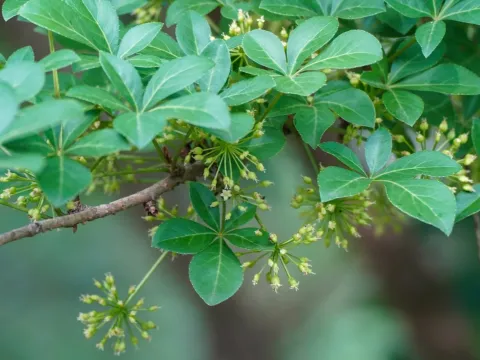
Eleutherococcus senticosus
Eleutherococcus spinosus
Propagation of Eleutherococcus senticosus is typically achieved through seeds or vegetative division. Seeds require a prolonged stratification period to break dormancy and ensure successful germination.
What the section contains
Eleutherococcus senticosus
Direct sowing in seedbeds is usually conducted in the autumn, allowing for natural stratification throughout the winter months. Transplanting seedlings into the main field occurs when they reach two years of age, ensuring they have sufficient root mass.
The optimal planting time is early spring, before the start of the sap flow. Planting can also be performed in the autumn, provided there is enough time for the root system to establish itself before the ground freezes.
Proper plant spacing is essential, with 1.5 to 2 meters between rows. This spacing allows the shrub to develop its full canopy, which is vital for long-term production and ease of mechanical management.
Land preparation should start a year in advance, focusing on deep tillage and the incorporation of organic matter. As a perennial crop, selecting a permanent location is crucial for high-yield productivity.
Eleutherococcus senticosus, a member of the Araliaceae family, thrives in fertile, well-drained loamy soils. It is native to the Far East and prefers environments that mimic its natural forest habitat.
The plant demands a consistent moisture level but is highly intolerant of waterlogging. Ensuring proper drainage is the most critical factor in soil management for this crop, as root rot occurs quickly in saturated soils.
Partial shade is ideal for young plants, as they are susceptible to heat stress and foliage burn under direct, intense sunlight. As the plants mature, they gain slightly more tolerance to environmental conditions.
Standard agronomic practices include mulching, which helps stabilize soil moisture and suppresses weed competition. Organic fertilizers, such as well-rotted compost, are preferred to maintain soil fertility over the long lifecycle of the plant.
Periodic pruning is beneficial to remove deadwood and promote the growth of new shoots. This practice improves the plant's overall vigor and ensures that the energy is directed towards healthy foliage and root development.
The primary harvest consists of the roots and rhizomes, which are rich in eleutherosides. Commercial harvesting is only feasible once the plantation has reached at least 7 to 10 years of maturity.
Yields vary depending on the site conditions, but well-managed plantations can produce 1 to 2 tons of dried roots per hectare. The accumulation of active ingredients continues throughout the plant's life, increasing with age.
Slow development of the root system necessitates a long wait period before the initial harvest. However, once established, the plants provide a consistent supply of high-quality medicinal raw materials.
Maintaining a balanced nutrition program is essential for yield consistency. Phosphorus and potassium are especially important in the later years to ensure the roots remain healthy and rich in medicinal compounds.
Quality testing is mandatory, as the market demand requires standardized levels of active components. Proper handling and drying are just as important as field management for final yields.
This species is generally robust, but it can suffer from root rot if soil aeration is poor. This is the primary threat to the health of the plantation in high-rainfall or poorly drained areas.
Pests like aphids and spider mites may infest the plant, particularly if the planting density is too high or if the plants are stressed by drought. Early detection is key to managing these infestations.
To prevent disease, ensuring adequate airflow between plants is necessary. Regular inspections of the foliage and stems help identify issues before they spread across the plantation.
Integrated pest management, including the use of biological agents, is recommended over heavy chemical use. Maintaining a healthy ecosystem around the plantation helps keep pest populations under control.
Sanitation practices, such as removing fallen leaves and pruning dead branches, significantly reduce the inoculum load of fungal pathogens that might thrive in the shrub's canopy.
Harvesting is performed in late autumn or early spring when the plant is dormant. During this period, the concentration of active medicinal compounds within the roots is at its annual peak.
Mechanical harvesting equipment is used to carefully extract the root systems from the soil. Once removed, the roots must be thoroughly cleaned of all soil particles and extraneous plant matter.
After cleaning, the roots are sliced into smaller pieces to facilitate efficient drying. Using controlled heat, the drying process should be gradual to preserve the chemical stability of the eleutherosides.
Post-drying, the material must be sorted to remove any degraded pieces or impurities. Moisture content must be strictly controlled to prevent spoilage during storage and transportation.
Final storage should be in a cool, dry, and dark environment. Protecting the dried roots from direct light and humidity is essential to maintain their pharmacological potency for the consumer.