
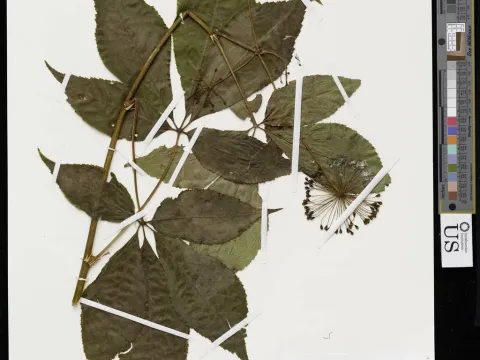
Eleutherococcus leucorrhizus
Eleutherococcus leucorrhizus
Eleutherococcus leucorrhizus is primarily propagated through vegetative methods, such as root division or using root suckers to ensure the offspring retain parental traits.
What the section contains
Eleutherococcus leucorrhizus
Seed propagation is a less common practice due to the complex dormancy requirements of the seeds, which need long stratification periods under cool conditions.
The ideal time for planting is early spring before active sap flow begins, or in the autumn, provided the plants have enough time to establish before hard frost.
Spacing is critical when establishing a plantation, with a recommended distance of 1.5 to 2 meters between plants to prevent competition and allow for equipment access.
As a perennial member of the Araliaceae family, this crop requires a well-planned site that can accommodate long-term growth and root system expansion.
This crop thrives in deep, fertile, and well-drained soils, preferably sandy loams or loams with moderate moisture retention and high organic matter content.
While adaptable, the plant performs best in locations with partial shade, though it can tolerate full sun provided that soil moisture is consistently maintained.
The optimal temperature range for growth is between 18 and 25 degrees Celsius, and the plant exhibits strong cold hardiness, making it suitable for temperate climates.
Regular maintenance, including mulching around the root zone, is essential to conserve moisture and suppress weeds, especially during the plant's early developmental stages.
Soil nutrient management, including the application of compost or balanced fertilizers, promotes vigorous stem growth and high concentrations of active pharmacological compounds.
Commercial harvesting is typically delayed until the plants are at least 7 to 10 years old, as this allows sufficient accumulation of eleutherosides in the rhizomes.
The yield of dry roots per individual mature plant can vary from 1 to 3 kilograms, depending heavily on the quality of site management and climatic conditions.
Strategic management of the plantation, including periodic thinning and sanitary pruning, ensures a continuous and high-quality supply of raw material for extraction.
The economic viability of the crop is highly dependent on achieving high concentrations of active ingredients, which are significantly influenced by harvesting timing.
Producers often rotate harvest sections to maintain sustainable yields, allowing younger plants to mature fully while older sections are being cleared for processing.
Eleutherococcus leucorrhizus is notably resistant to most common agricultural diseases and pests, reducing the need for intensive chemical interventions.
In rare instances, fungal leaf spot may appear if the plantation is located in a high-humidity zone with poor air circulation, necessitating better spacing.
Pests such as aphids may occasionally affect tender young shoots, but these are generally manageable through minor interventions or natural biological control methods.
Root rot is the most serious concern, usually triggered by waterlogging in heavy, poorly drained soils, making site selection the most important preventative measure.
Maintaining a clean cultivation area, free of plant debris at the end of the season, is the best strategy to prevent the buildup of pathogens in the soil.
Harvesting is performed in the late autumn after the foliage has died back, which ensures that the concentration of medicinal compounds in the roots is at its peak.
Mechanical harvesting tools are used to lift the roots carefully from the soil, minimizing mechanical damage to the valuable rhizome structures.
Immediately after harvest, the raw material is washed thoroughly to remove soil and sorted to exclude any diseased or undersized root fragments.
Drying is conducted in controlled environments at temperatures not exceeding 50–60 degrees Celsius to avoid the degradation of heat-sensitive active compounds.
Once dried, the product is packaged and stored in cool, dark, and dry conditions to maintain its pharmacological potency for long-term storage and distribution.