
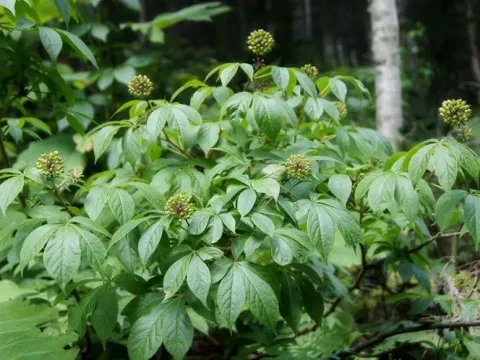
Eleutherococcus brachypus
Eleutherococcus brachypus
The propagation of Eleutherococcus brachypus is primarily carried out through seeds or vegetative division. Seeds possess a deep dormancy and require a long stratification process at low positive temperatures for 3 to 4 months to ensure successful germination.
What the section contains
Eleutherococcus brachypus
Autumn sowing is recommended, as it allows seeds to undergo natural stratification in the soil throughout the winter. Spring sowing requires thorough artificial preparation, as untreated seeds have a very low germination rate.
For vegetative propagation, rhizome cuttings are planted in early spring before active sap flow begins. The soil must be well-prepared, cleared of perennial weeds, and enriched with organic matter to support the initial development of the root system.
The planting scheme should account for the long-term nature of the crop, usually requiring row spacing of 1.5 to 2 meters. This spacing facilitates mechanical care and allows the plants enough room to develop the extensive root systems needed for harvest.
Seedlings require consistent soil moisture during the first year, as their initial growth rate is quite slow. Regular weeding is mandatory during the first two years to ensure that the young plants are not outcompeted by more aggressive vegetation.
Eleutherococcus brachypus belongs to the Araliaceae family and is a medicinal shrub that prefers well-drained, fertile soil. It performs best in neutral to slightly acidic forest soils and cannot tolerate waterlogged conditions.
While the plant is somewhat shade-tolerant during its juvenile stage, it prefers open or semi-shaded areas as it matures. Adequate sunlight is essential for the metabolic processes that result in the accumulation of active compounds within the plant tissues.
The climate should provide a moderately warm growing season with sufficient rainfall. The species is highly cold-hardy, making it suitable for cultivation in temperate climates, provided that moisture is maintained during dry summer months.
Annual applications of organic fertilizers, such as compost or humus, are recommended to maintain soil structure and fertility. These amendments mimic the natural forest floor environment in which the plant thrives in the wild.
Shelter from drying winds is important for maintaining plant vigor. Implementing windbreaks or planting in naturally protected areas can significantly improve the survival rate and total biomass yield of the medicinal crop.
The plant generally possesses strong immunity, but high humidity and lack of airflow can lead to powdery mildew. Preventive measures include proper pruning and spacing to improve air circulation within the shrub canopy.
Aphids are the most common pests, primarily attacking young shoots and foliage. Biological control agents or mild soap-based solutions are preferred, as chemical pesticides must be avoided to maintain the organic purity of the medicinal product.
Root rot is a significant risk caused by improper drainage or chronic water stagnation in the soil. Proper site selection and land preparation are the most effective strategies for preventing soil-borne pathogens from decimating the crop.
Spider mites may pose a threat during prolonged dry spells. Monitoring the plantation during peak summer heat is essential, as early detection allows for physical or biological interventions before an infestation spreads across the field.
Maintaining high soil quality and plant vigor is the best defense against pests and diseases. A balanced ecosystem approach, focusing on crop rotation and soil health, prevents the accumulation of specialized pathogens over time.
The primary harvest target is the rhizome with roots, which contain the valuable eleutherosides. Harvesting is typically conducted only when the plants are 5 to 7 years old, ensuring the roots have reached peak biological maturity.
Harvesting should take place in the autumn after the growing season has concluded and leaves have fallen. This timing is crucial because the concentration of active medicinal compounds is highest in the roots during the dormant period.
Specialized equipment, such as excavating plows, is used to extract the roots with minimal damage. After harvest, the roots must be carefully cleaned of soil, debris, and dead parts, followed by thorough washing in cold water.
The roots are then cut into smaller pieces to facilitate efficient drying in well-ventilated rooms or mechanical dryers. Maintaining a temperature range between 50 and 60 degrees Celsius ensures the preservation of sensitive chemical structures.
Proper storage is the final step, requiring cool, dark, and dry conditions to protect the finished product from moisture and pests. Airtight containers help preserve the potency of the herb until it is processed into extracts or tinctures.