
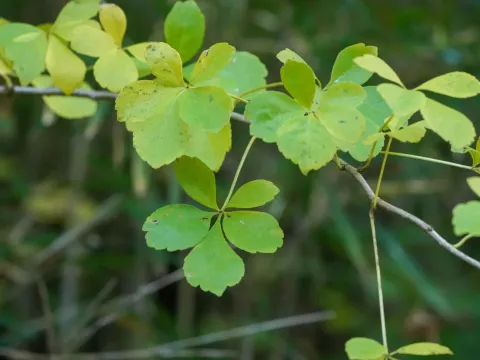
Eleutherococcus japonicus
Eleutherococcus japonicus
Sowing seeds of Eleutherococcus japonicus is typically performed in the autumn, before winter, as the seeds require a long period of stratification to germinate. In nursery conditions, spring sowing is possible, but it requires pre-treating the seeds at low temperatures for 4 to 6 months.
What the section contains
Eleutherococcus japonicus
Seeds are sown in prepared beds at a depth of about 1–2 cm, maintaining row spacing of approximately 20–30 cm. Ensuring optimal soil moisture is crucial to prevent the embryos from drying out during the preparation period for germination.
Vegetative propagation is preferred for commercial cultivation as it allows for faster biomass production. Cuttings are taken during the summer using semi-lignified shoots from the current growing season.
Rooting of the cuttings is conducted in greenhouse environments with high humidity and the application of rooting hormones. After a robust root system has formed, the plants are grown in nursery rows until they are ready for planting in the field.
Planting of seedlings into the plantation is carried out in early spring or late autumn, ensuring sufficient space for each shrub to thrive. A standard spacing of 1.5 by 2 meters is commonly used to facilitate maintenance and inter-row cultivation.
Eleutherococcus japonicus is a perennial shrub of the Araliaceae family, adapted to temperate climates. The plant prefers well-lit areas, although young specimens can tolerate light shading during their initial growth phase.
The crop requires fertile soil, ideally loose, humus-rich loams with a neutral or slightly acidic pH. A key requirement is proper drainage, as the root system is highly sensitive to waterlogging and poor soil aeration.
In regions with hot, dry summers, regular irrigation during the active growth period is essential. Mulching the base of the shrubs helps retain moisture and prevents soil overheating, which is critical for protecting the surface root system.
To ensure healthy development, the shrubs need protection from strong, cold winds, particularly in the winter months. In northern cultivation zones, young plants may require lightweight coverings to prevent shoot freezing.
Maintenance involves regular weeding and the application of organic fertilizers, such as compost or manure, in the spring. Proper agronomic management allows the shrub to reach a height of 2–3 meters and develop a strong root system.
Economic production of Eleutherococcus japonicus is focused on harvesting roots and rhizomes, which contain a unique complex of eleutherosides. Productivity depends on the age of the plants and the environmental conditions.
Harvesting for commercial purposes usually begins 5–7 years after transplanting into the field. By this age, the plant has accumulated a sufficient concentration of biologically active substances suitable for pharmaceutical processing.
The average yield of dried roots can reach 3–5 centners per hectare under intensive cultivation practices. The quality of the raw material is strictly regulated by standards regarding the content of active medicinal components.
The aerial parts, including leaves and young shoots, can also be utilized in the food and cosmetic industries as a source of antioxidants. However, the rhizomes remain the primary harvest target due to their high concentration of adaptogens.
Production efficiency is maximized by implementing deep processing of all parts of the plant. Drying the material at a controlled temperature of 50–60 degrees Celsius ensures the preservation of the plant's medicinal properties.
Eleutherococcus japonicus is generally a resilient crop, but it may be susceptible to fungal diseases if agronomic standards are violated. Root rot is the most common issue, often caused by excessive soil moisture and poor drainage.
Among pests, leaf-eating insects and aphids pose the greatest threat, particularly by damaging young shoots during the spring. Effective control involves the use of approved insecticides or biological plant protection methods.
Powdery mildew may occur during seasons characterized by high humidity and significant temperature fluctuations. Maintaining proper planting density and ensuring good air circulation are critical preventative measures.
Winter damage to the root system by rodents can lead to the death of the shrub. Using fencing or professional deterrents is highly recommended to protect the plantation from animal damage.
Regular monitoring of the plantation allows for the early detection of disease outbreaks and the minimization of crop loss. Sanitary pruning of damaged or dead branches is an essential element of routine plant care.
Harvesting of rhizomes is carried out in the autumn after the growing season ends, as this is when the concentration of biologically active compounds peaks. The soil is carefully excavated to avoid damaging the main structural roots.
The harvested material is cleaned of soil, washed with water, and any decayed parts are removed. The roots are then cut into 10–15 cm long pieces to facilitate drying and storage.
Drying is performed in specialized drying chambers or well-ventilated rooms protected from direct sunlight. It is important to avoid excessive heat or over-drying, which can degrade the quality of the raw material.
Once dried, the raw material is sorted and packed into appropriate containers or bags. Proper storage in a cool, dark, and dry environment is essential to prevent the loss of therapeutic efficacy over time.
After excavation, the land is typically prepared for new plantings or soil restoration, as the cultivation of such crops can deplete specific soil nutrients over the multi-year cycle.