
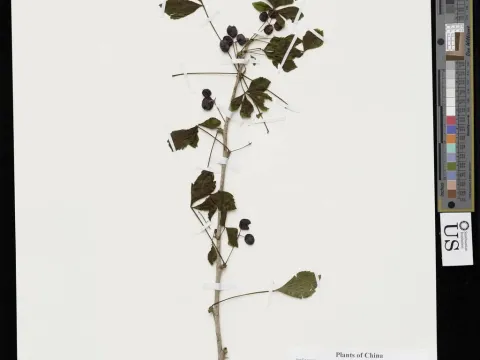
Eleutherococcus nodiflorus
Eleutherococcus nodiflorus
Propagation of Eleutherococcus nodiflorus is primarily achieved through seeds or vegetative methods like cuttings and root suckers. The seeds exhibit deep dormancy and require mandatory stratification for 3–4 months at low temperatures to ensure successful germination.
What the section contains
Eleutherococcus nodiflorus
Sowing seeds directly into the nursery or open field is recommended before winter, allowing for natural stratification. Spring sowing often results in significantly lower germination rates, making proper seed preparation an essential step for reliable plant establishment.
Seedlings show slow development during their first two years, so they are typically grown in protected nurseries. The optimal time for transplanting to a permanent location is early spring, just before the start of the active sap flow within the plant tissues.
Planting density depends on the bush habit, requiring at least 1.5–2 meters between plants. This spacing ensures sufficient nutrient availability and allows for easier maintenance of the perennial plantation over many years.
This species is a perennial deciduous shrub belonging to the Araliaceae family, valued for its adaptogenic properties. In its natural range, it inhabits mountain forests in East Asia, preferring sites with moderate shade and good drainage.
Eleutherococcus nodiflorus has specific soil requirements, preferring well-drained loamy or sandy soils with a neutral or slightly acidic pH. It is crucial to avoid areas with high groundwater levels, as waterlogging is detrimental to the plant's root system.
While the plant thrives in sunny locations, young specimens require shading during intense heat. Ideal plantation sites are slopes that offer protection from strong winds and ensure adequate snow cover to protect roots during the winter months.
The shrub is generally winter-hardy, but mulching the root zone with peat or compost is recommended during the first years of growth to prevent freezing. Mature plants can withstand significant drops in temperature without suffering major damage to their aerial parts.
Regular irrigation is essential, especially during the active growth phase and leaf development. Drought stress can slow down vegetation and reduce the accumulation of biologically active substances in the roots, which lowers the quality of the raw material.
To maintain high productivity, mineral fertilizers, particularly potassium and phosphorus, should be applied periodically. Organic matter added every two years, combined with inter-row cultivation, helps improve soil aeration and nutrient uptake.
The economic value of this crop lies in its roots and rhizomes, which contain unique eleutherosides. Commercial harvesting is only possible 5–7 years after planting, once the root system has reached sufficient mass and chemical concentration.
The yield of raw root biomass typically ranges from 1.5 to 3 tons per hectare depending on agricultural management practices. Intensive care and regular nutrient supply can significantly increase the commercial output of high-quality medicinal material.
The quality of the raw material depends heavily on the age of the shrubs: older plants generally contain higher concentrations of beneficial glycosides. Therefore, long-term yield planning is essential for the profitability of any medicinal herb farm.
After harvesting, the roots must be cleaned, washed, and dried under controlled temperature conditions. Properly dried raw material retains its medicinal activity for several years if stored in airtight, moisture-proof conditions.
Preserving mother plants for future propagation is a crucial strategy. A portion of the plantation should always be reserved as a seed bank or source for vegetative cuttings to ensure the sustainability of the farming operation.
The crop possesses high natural resistance to diseases, but poor agronomic practices can lead to fungal infections. Powdery mildew and various leaf spots are the most common issues, particularly in crowded, poorly ventilated plantations with excess moisture.
Pests such as aphids and spider mites can attack the plant, feeding on young foliage and weakening the shrub. These infestations can reduce photosynthesis and overall growth, necessitating prompt and effective management.
For fungal pathogen control, timely sanitary pruning of affected branches and spring fungicide applications are effective. Preventing water stagnation is the most critical cultural practice to protect the plantation from biotic stress.
Managing pests involves regular field inspections and the use of biological insecticides upon the first signs of infestation. Maintaining weed-free rows is also vital, as weeds often serve as secondary hosts for many plant-sucking insects.
Choosing an improper planting site, such as overly shaded or waterlogged ground, is the primary indirect cause of disease outbreaks. Consequently, good agricultural management remains the best defense against various environmental and biotic threats.
Harvesting usually takes place in autumn, as the plant enters dormancy and reaches the peak concentration of active compounds in its underground organs. Roots are lifted using specialized equipment or manual labor, taking care to minimize structural damage.
Cleaning roots of soil residue is a critical preparation step. Washing with running water ensures that the final product is free of contaminants, which is vital for meeting pharmaceutical industry standards for medicinal ingredients.
Primary processing involves removing small rootlets and damaged sections. Large roots are often sliced into smaller fractions to speed up the drying process and ensure uniform moisture loss across the entire batch of raw material.
Drying is conducted in climate-controlled chambers at temperatures between 50–60 degrees Celsius. Excessive heat must be avoided, as it can degrade heat-sensitive compounds and reduce the pharmaceutical quality of the harvested roots.
The dried product must be packaged and stored in a cool, dry, and dark location. Adherence to strict storage standards prevents spoilage and ensures that the herbal material remains effective for its intended medicinal use.