
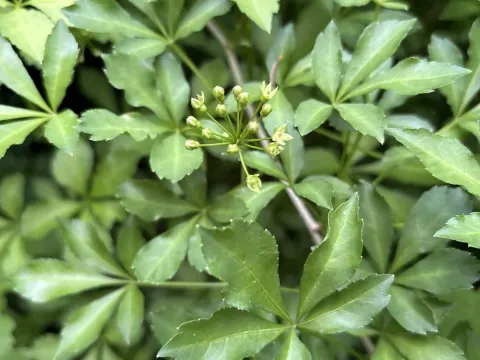
Eleutherococcus
Eleutherococcus
Eleutherococcus, commonly known as Siberian ginseng (Eleutherococcus senticosus), is a perennial shrub that is best propagated vegetatively using root cuttings or divisions to ensure consistency in quality and yield.
What the section contains


Eleutherococcus
Seed propagation is notoriously difficult due to the requirement of prolonged stratification, which can take nearly a year, making it impractical for commercial agricultural setups.
Planting should be executed in early spring or late autumn when the plant is in its dormant stage to ensure the root system is well-established before the peak of the growing season.
It is crucial to maintain a spacing of at least 1.5 to 2 meters between plants, allowing for adequate sunlight penetration and room for the massive, woody root system to expand properly over several years.
Adequate irrigation must be provided immediately after planting to support the development of the root structure, which is the primary commercial interest of this crop.
Belonging to the Araliaceae family, Eleutherococcus thrives in temperate climates. It is highly resilient, capable of surviving harsh winters, though it prefers moderate summer conditions.
The crop requires fertile, well-drained loamy soils. It cannot tolerate waterlogged conditions, as poor drainage significantly increases the risk of root rot and stunted growth.
The ideal soil pH for this shrub is slightly acidic to neutral (pH 5.5 to 7.0). Soil testing and amendment with organic matter prior to planting are essential for successful cultivation.
While the plant is light-loving, younger specimens benefit from partial shade to protect them from heat stress. Once established, they can tolerate full sun exposure, which encourages vigorous growth.
Standard agronomic practices such as weeding, periodic mulching to retain soil moisture, and moderate organic fertilization are necessary to sustain long-term productivity.
The yield of Eleutherococcus is measured by the mass of its dried roots. Commercial harvest is generally not viable until the plants are at least 6 to 8 years old.
Farmers can expect an average yield of 1.5 to 3 tonnes of dried roots per hectare. The yield fluctuates based on the age of the plantation and the consistency of the maintenance regimen.
Growth is relatively slow in the first few years, requiring patience and sustained management. The root density increases significantly as the plant matures past the five-year mark.
Periodic pruning of old, non-productive branches can stimulate the plant to direct its energy towards root development, thereby potentially increasing the harvestable volume.
Quality management during the harvest phase is vital, as the concentration of active compounds, known as eleutherosides, dictates the market value of the crop.
Eleutherococcus is generally robust; however, it can occasionally suffer from fungal leaf spots in regions with high humidity and poor air circulation within the plantation.
Pests such as aphids and spider mites can infest young foliage during dry, hot weather, potentially weakening the plant if not monitored and treated with organic deterrents.
Rodents, particularly mice and voles, pose a significant risk in winter, as they may gnaw on the bark and roots of the plants, causing severe damage to the plantation.
Preventive measures include maintaining proper row spacing for aeration and keeping the area free of tall weeds that might harbor pests or rodents during the dormant season.
Chemical intervention should be strictly limited to preserve the purity of the crop, as the primary use of the plant is in the pharmaceutical and wellness industries.
Harvesting takes place in the autumn, after the leaves have dropped and the plant has entered its dormant phase, ensuring peak concentration of medicinal compounds in the roots.
Mechanical harvesting equipment, such as powerful plows or root harvesters, is typically required to lift the extensive root systems out of the soil effectively.
The harvested roots must be thoroughly washed to remove all soil debris, followed by a careful selection process to discard any damaged or diseased portions before processing.
Drying is performed in temperature-controlled rooms or specialized dryers at temperatures not exceeding 60 degrees Celsius to prevent the degradation of heat-sensitive active ingredients.
Once dried to the appropriate moisture content, the product should be stored in ventilated, dry areas to maintain its therapeutic efficacy until it reaches the end user.