
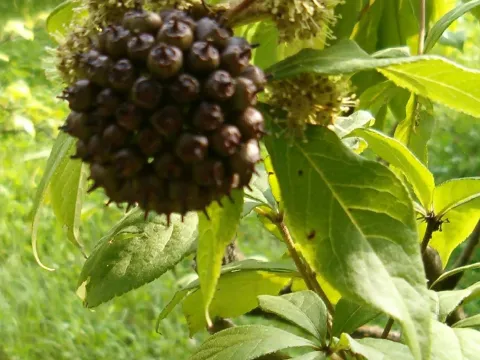
Eleutherococcus henryi
Eleutherococcus henryi
Eleutherococcus henryi is a deciduous shrub belonging to the Araliaceae family, native to the temperate and mountainous regions of China. It is highly valued for its adaptogenic properties and potential use in pharmacological industries.
What the section contains
Eleutherococcus henryi
The plant thrives in deep, fertile, and well-drained soils with a slightly acidic to neutral pH. It performs best in partial shade, mimicking the forest-floor conditions of its native habitat, although it can tolerate more sun if moisture is sufficient.
Consistent irrigation is crucial during the active growing season to support the development of its root system. However, the soil must be well-drained, as waterlogging is detrimental to plant health and can lead to root rot.
Maintenance involves annual mulching with organic matter to retain soil moisture and provide essential nutrients. Pruning should be done in early spring to remove dead wood and encourage vigorous new growth for the season.
The species is generally hardy, but establishing a windbreak is recommended in colder climates to prevent desiccation of shoots. Proper spacing is necessary to ensure adequate ventilation and prevent the spread of soil-borne pathogens.
Powdery mildew is a frequent issue in areas with high humidity or poor air circulation. Improving spacing between plants and applying preventative fungicides can significantly reduce the risk of infection.
Aphids and spider mites are common pests that target young foliage and stems. Integrated pest management, including the use of beneficial predatory insects, is recommended to keep pest populations at manageable levels.
Root rot caused by Phytophthora species can be a major threat in poorly drained soils. Ensuring that the planting site has excellent drainage and avoiding over-irrigation are primary strategies for prevention.
Stem borers may occasionally attack established woody stems, causing structural damage. Regular inspections of the bark for entry holes and the removal of heavily infested wood are necessary for plant survival.
Fungal leaf spots can occur during rainy seasons, weakening the plant's photosynthetic capacity. Prompt removal of infected leaves and maintaining overall plant vigor through proper fertilization helps the shrub resist such attacks.