
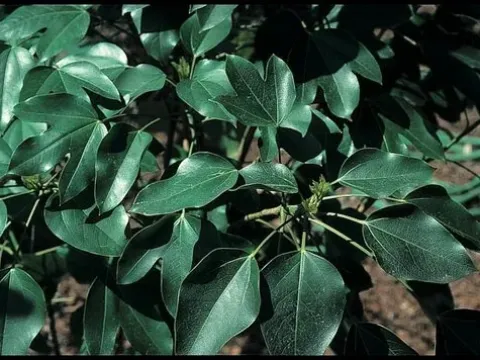
Dendropanax
Dendropanax
Dendropanax is a genus of evergreen shrubs and small trees belonging to the Araliaceae family. These plants are native to tropical and subtropical regions of Asia and the Americas, favoring humid forest environments.
What the section contains


Dendropanax
The crop requires warm temperatures, ideally between 20°C and 25°C. It is highly sensitive to frost, necessitating greenhouse cultivation in temperate climates to ensure consistent growth and survival.
Soil requirements involve loose, well-draining substrates with a slightly acidic to neutral pH level. Proper soil structure is essential to prevent root asphyxiation caused by waterlogging.
While the plant is known for its shade tolerance, it responds best to bright, diffused light for optimal photosynthesis. Adequate spacing between plants is required to ensure sufficient light penetration to lower leaves.
Irrigation practices must be precise. Constant moisture is preferred, but water must be applied in a way that avoids saturation. Drip irrigation systems are highly recommended for large-scale operations to maintain humidity levels.
Dendropanax is economically significant due to the phytochemical compounds found in its tissues. The leaves and wood are harvested for use in medicine and traditional applications.
Yields are maximized through balanced nitrogen fertilization and controlled environmental conditions. A well-managed plantation can provide multiple harvests by utilizing selective pruning techniques.
Harvest cycles are typically initiated once the plant reaches physiological maturity, often within 3 to 4 years of initial planting. Subsequent harvests depend on the regeneration rate of the shrub.
Industrial yields vary based on the specific species grown and the intensity of the agricultural techniques employed. High-tech greenhouse facilities often yield higher quality foliage for raw material processing.
Regular monitoring of plant vigor and nutrient uptake allows growers to adjust fertilization rates, ensuring that the biomass produced meets industry standards for active ingredients.
Common pests affecting Dendropanax include spider mites, scale insects, and mealybugs. These pests thrive in indoor or protected environments and can cause severe damage if left unmanaged.
Pathogenic threats consist primarily of root rot and fusarium wilt. These conditions are usually triggered by poor soil aeration and excessive humidity, which favor the growth of harmful fungi.
Integrated Pest Management (IPM) is the preferred approach for this crop. It combines biological control agents with strict hygiene protocols to maintain plant health without heavy pesticide reliance.
Proactive management includes regular pruning of infected plant parts and maintaining optimal airflow throughout the planting area to prevent the rapid spread of airborne fungal spores.
By keeping the growing environment clean and monitoring moisture content, producers can significantly reduce the risk of disease outbreaks and ensure a productive crop cycle.