
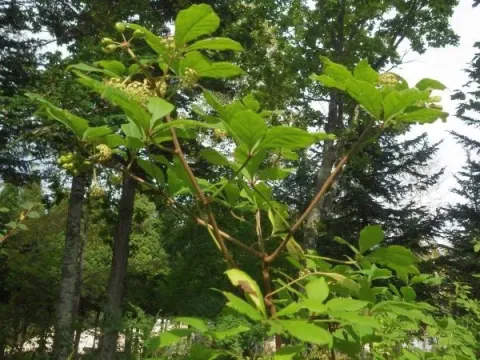
Eleutherococcus divaricatus
Eleutherococcus divaricatus
Eleutherococcus divaricatus is typically propagated using seeds or vegetative division. Seeds require a mandatory cold stratification process lasting four to six months to break deep dormancy and ensure germination.
What the section contains
Eleutherococcus divaricatus
Sowing in open ground is done during the autumn, allowing natural winter stratification to trigger growth in the spring. In nursery environments, controlled stratification is preferred to maximize the survival rate of young seedlings.
Vegetative propagation involves using root cuttings or root sprouts. These are planted in well-prepared, loose soil during early spring before the onset of the active growing season for the best establishment.
Planting density should be managed to ensure each shrub has sufficient space for its wide-spreading root system. A spacing of 1.5 to 2 meters between plants is recommended for commercial plantations.
Young plants require partial shade and consistent monitoring during their first year. Gradually acclimating them to sunlight helps build a strong structure that can withstand harsh outdoor conditions.
As a member of the Araliaceae family, Eleutherococcus divaricatus thrives in temperate environments with fertile, well-draining loamy soils. It prefers neutral to slightly acidic soil conditions to absorb nutrients effectively.
The plant requires moderate humidity and protection from extreme winds. It naturally grows as an understory shrub, making it sensitive to direct sunlight and requiring sheltered areas with diffused light.
An optimal temperature range for this species is 18–25 degrees Celsius. While it is quite hardy, young specimens may need protection from severe winter frosts to prevent damage to the upper shoots.
Soil management includes regular applications of organic matter like compost to maintain fertility. Excessive chemical fertilizers should be avoided to preserve the plant's medicinal quality and soil microbial health.
Weed control is essential, especially in the first few years of growth. Mulching around the base helps retain moisture and prevents the soil from overheating during the summer months.
The economic yield of Eleutherococcus divaricatus is based on the harvest of its woody root systems. These roots are valued for their bioactive compounds, which accumulate significantly as the plant matures over 6–8 years.
Yield varies based on soil quality, climatic consistency, and age. Under ideal conditions, a healthy, mature shrub can provide a significant amount of high-quality medicinal root mass every few years.
Sustainable harvesting techniques, such as partial root extraction, allow the plant to continue growing after a harvest. This practice ensures the longevity of the plantation and continuous supply of raw material.
Quality control relies on harvesting during the dormant autumn phase, when the concentration of eleutherosides is highest. This timing is critical for ensuring the final product meets pharmaceutical standards.
Post-harvest processing involves careful cleaning and controlled drying. Properly dried roots should retain their active compounds and be free from moisture to prevent microbial degradation.
The primary threats to Eleutherococcus divaricatus include fungal diseases such as powdery mildew, which can occur in stagnant, high-humidity environments. Proper spacing is key to preventing these outbreaks.
Pests like aphids and spider mites can attack the foliage, hindering the plant's ability to produce energy for root development. Biological control agents are often used in organic farming to manage these pests.
Root rot caused by pathogenic fungi is a serious concern. It is usually linked to poor drainage or overwatering, making the control of soil moisture content a top priority for successful cultivation.
Sanitation practices, including the removal of dead or infected branches, reduce the risk of disease spread within the plantation. Keeping the planting area clean is a fundamental step in integrated pest management.
Periodic monitoring for early symptoms of stress or infestation allows for prompt intervention, minimizing the need for synthetic chemicals and protecting the medicinal integrity of the harvest.
Harvesting usually involves either manual digging or mechanical tools designed to lift the roots without excessive breakage. Due to the deep nature of the roots, precision in extraction is required.
After removal, the roots are separated, cleaned of debris, and graded by size. This sorting process ensures that only mature, high-potency roots are sent for drying and processing.
Drying is performed in climate-controlled environments at temperatures below 50 degrees Celsius. This method effectively prevents the loss of heat-sensitive pharmacological components.
Storage of the finished product must take place in dry, well-ventilated conditions. Exposure to humidity can lead to mold, which would destroy the quality of the valuable root material.
The final product is inspected for quality assurance, checking for aroma, color, and chemical composition to confirm it meets the standards required for the pharmaceutical and supplement industries.