
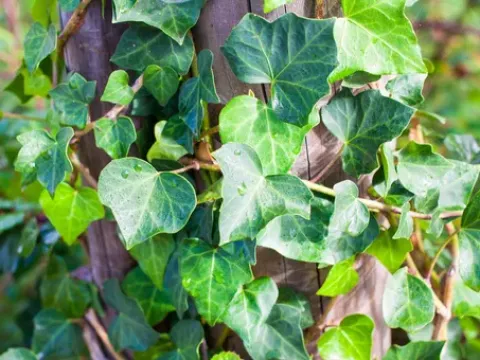
Crimean ivy
Hedera taurica
Crimean ivy (Hedera taurica) is an evergreen climbing plant belonging to the Araliaceae family. It is native to the Crimean Peninsula, where it thrives in sheltered mountain forest environments.
What the section contains
Crimean ivy
This species is valued for its hardiness and ability to rapidly cover vertical surfaces using its specialized aerial roots. It serves as an excellent decorative choice for both residential and public gardens.
The plant performs best in loose, fertile, and well-drained soils with a neutral or slightly alkaline pH. It prefers shaded or semi-shaded locations, as direct scorching sun can damage the foliage.
Regarding climate, it requires protection from extreme desiccation in winter and intense heat in summer. Consistent moisture is essential during the active growing season, especially for younger plants.
Agricultural use focuses on vertical landscaping, facade greening, and ground cover strategies in areas where traditional grass lawns cannot survive due to heavy shade or canopy coverage.
The primary pests affecting the plant include spider mites and scale insects. These pests often thrive in environments with low humidity, making regular misting a key preventive measure.
Fungal pathogens can cause leaf spots and root rot if drainage is insufficient or if there is stagnant air around the vines. Proper spacing and airflow are crucial to maintaining plant health.
Regular inspection is advised to catch infestations early. Biological control methods or systemic insecticides can be used if pest populations exceed the economic threshold.
Sanitary pruning should be practiced throughout the year, focusing on removing dead or decaying plant material to prevent the spread of localized diseases within the dense foliage.
Ensuring that the soil around the base is not waterlogged is the most effective way to prevent soil-borne pathogens and ensure the long-term vitality of the ivy stand.