
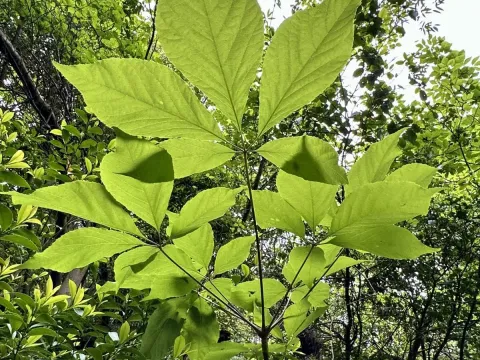
Chengiopanax
Chengiopanax
Chengiopanax is a genus of woody plants within the Araliaceae family. Native to the forest regions of East Asia, primarily China, these plants are known for their distinct ornamental foliage and architectural growth habit.
What the section contains

Chengiopanax
The botanical structure of the plant features deciduous, palmately compound leaves, often providing a tropical appearance in temperate gardens. The plant typically grows as a small to medium-sized tree under ideal conditions.
Successful cultivation requires nutrient-rich, well-draining loamy soils. The species thrives in environments that provide consistent moisture while avoiding waterlogged conditions that can cause root decay.
Climate preferences for Chengiopanax involve partially shaded areas, as direct exposure to intense sunlight during the afternoon can scorch the leaves. Protecting young specimens from strong winds is crucial for maintaining structural integrity.
Horticultural applications are mainly limited to botanical gardens and specialized landscape projects. Due to the unique profile of its genus, it remains a plant of interest for those collecting rare woody species from East Asian flora.
Common threats to the health of Chengiopanax include various fungal pathogens such as leaf spot and root rot, which are often triggered by improper irrigation practices and poor drainage.
Pests such as spider mites and scale insects are known to attack these plants, particularly during warm and dry periods when the tree may be under environmental stress.
Effective management involves consistent maintenance, including the removal of dead or diseased branches to improve air circulation within the canopy and reduce humidity levels.
Integrated pest management strategies, including the use of neem oil or targeted acaricides, are recommended when infestations reach critical levels to ensure the plant's long-term viability.
Monitoring the soil moisture levels and performing regular visual inspections of the leaf undersides are critical steps in preventing major outbreaks of pests or diseases.