
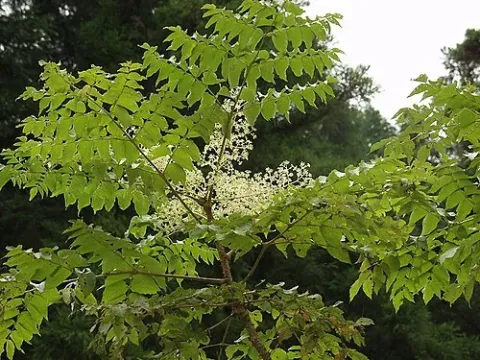
Aralia warmingiana
Aralia warmingiana
Aralia warmingiana is a member of the Araliaceae family. It is typically propagated through seeds in specialized nursery environments to ensure proper germination rates and uniform development of the seedlings.
What the section contains
Aralia warmingiana
The sowing process requires a well-draining, nutrient-rich substrate with a slightly acidic pH level. Stratification of seeds is often recommended to overcome dormancy and improve overall emergence performance.
Vegetative propagation using cuttings is also a common practice. This method involves selecting healthy semi-hardwood shoots during the active growth season and using rooting hormones to promote root system establishment.
Seedlings and young cuttings should be kept in a controlled environment where humidity and light levels are strictly regulated to prevent transpiration stress during the initial growth phase.
Transplanting to larger containers or permanent locations should be done carefully to minimize damage to the delicate root system, which is characteristic of many Aralia species.
Aralia warmingiana thrives in fertile, well-aerated soils with excellent drainage. Excessive moisture accumulation in the root zone is a common cause of failure in cultivation and should be strictly avoided.
The plant requires bright, indirect light. Exposure to direct midday sun can result in significant leaf scorch, which adversely affects both the appearance and the overall health of the plant.
Temperature management is critical for this species. It prefers a consistent, temperate climate and is highly sensitive to frost, necessitating indoor or greenhouse conditions in colder geographical regions.
Regular fertilization with a balanced mix of macro and micronutrients supports the production of its characteristic large, ornamental foliage. Applications should be adjusted according to the growth season.
Maintaining high ambient humidity is essential. In arid conditions, the plant may suffer from leaf margin necrosis, so misting or the use of humidifiers is often necessary to ensure optimal growth.
Fungal diseases, particularly those affecting roots and stems, are the primary threats when the plant is grown in overly humid or stagnant air conditions. Proper ventilation is key to prevention.
Pests such as spider mites, aphids, and scale insects frequently infest Aralia species, especially in indoor environments where natural predators are absent and conditions favor pest reproduction.
Integrated pest management strategies should be implemented. This includes manual monitoring, the use of insecticidal soaps, or systemic pesticides when infestations exceed threshold levels.
Proper sanitation, including the removal of dead or dying leaves, helps reduce the inoculum levels of potential pathogens within the growing area, maintaining a healthier environment.
A consistent care routine that emphasizes balanced watering and correct lighting serves as the most effective defense against both biological threats and environmental stress.