
Reference · Crops
Aralia
Aralia
Aralia is typically propagated through seeds or root cuttings. Due to the low natural germination rate of seeds, they require a cold stratification process lasting three to four months to break dormancy successfully.
4
items
What the section contains


Marketplace
Products in this section · 1
Aralia
Sowing in open ground is best performed in late autumn, allowing the seeds to undergo natural winter stratification. If spring sowing is planned, ensure the seeds are pre-stratified and planted in moisture-retentive soil.
Seeds should be sown at a shallow depth of approximately 1 to 1.5 cm. Covering the planting area with a thin layer of mulch helps maintain consistent moisture levels and protects the seeds from drying out during the germination period.
Seedlings are usually pricked out during their second year. When transplanting to their permanent location, provide adequate spacing of 1.5 to 2 meters, as the plant eventually develops a wide and vigorous root system.
Vegetative propagation using root suckers is often faster and more reliable. Young shoots separated from the parent plant should be carefully handled and planted immediately into well-drained, nutrient-rich soil to ensure successful establishment.
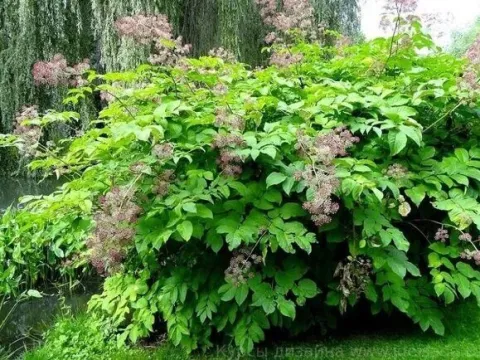
Aralia, a member of the Araliaceae family, is a hardy perennial shrub or small tree. Native to regions like the Russian Far East, it thrives best in environments that mimic forest edges, providing partial shade and shelter.
The plant demands fertile, loamy soil with excellent drainage. It is highly sensitive to waterlogged conditions, making well-drained sites essential for successful cultivation to prevent root rot.
Aralia prefers a temperate climate with protection from direct, harsh sunlight. While it is generally cold-hardy, young plants benefit significantly from mulch covering the root zone during their first few winters to protect against sudden temperature drops.
Regular maintenance includes light weeding and careful cultivation of the soil around the base. Because the roots are shallow, mechanical cultivation should be performed cautiously to avoid damaging the plant's structural integrity.
Applying organic amendments like compost or well-rotted manure during the spring promotes vigorous growth. Consistent watering during the active growing season is crucial for the development of healthy, medicinal-grade root mass.
The primary yield from Aralia consists of its roots, which are highly valued in pharmacology for their adaptogenic properties. Productivity is measured by the total dry weight of roots harvested per unit area.
A harvesting cycle typically spans 5 to 7 years. During this period, the roots reach their peak concentration of beneficial bioactive compounds, meeting the quality standards required for processing into herbal extracts.
Expected yields are heavily influenced by cultivation practices and soil fertility. Choosing an optimal site and implementing a well-planned fertilization schedule allows for steady and high-quality production.
After excavation, roots undergo cleaning and preliminary processing. It is vital to handle the harvested material promptly to prevent the degradation of bioactive components caused by prolonged exposure to sunlight and heat.
Sustainable production relies on a rotational harvesting plan. By maintaining plantations of varying ages, growers can ensure an annual supply of high-quality raw materials to the herbal processing industry.
Aralia is generally resistant to pests and diseases, but improper cultural practices can lead to issues. Root rot is the most common problem, typically caused by poor soil drainage and water accumulation.
Occasional infestations of aphids or leaf-eating insects may occur. Most cases can be managed through natural predators or the localized application of organic insecticides, avoiding the need for heavy chemical intervention.
Ensuring proper air circulation and avoiding overcrowded plantings is vital for disease prevention. Maintaining a healthy environment reduces the risk of fungal infections settling in the lower branches or stems.
Winter damage from rodents may occur in some regions. Using protective guards or fencing around young plants is a practical measure to safeguard the plantation from wildlife during the dormant season.
A regular health monitoring schedule allows for the early detection of any issues. Removing infected plant parts promptly helps contain potential outbreaks and protects the overall health of the plantation.
Harvesting usually takes place in the autumn, following the end of the vegetation period. At this time, the plant has effectively concentrated its energy and beneficial compounds within its underground structures.
The harvest involves carefully excavating the soil around the plant to expose the root system. Every effort should be made to keep the roots intact, ensuring no loss of smaller branching roots where potency is concentrated.
After being removed from the ground, the roots must be thoroughly washed to remove all soil debris. They are then cut into manageable 10–15 cm segments to facilitate faster and more uniform drying.
Drying must be conducted in controlled environments at temperatures not exceeding 60 degrees Celsius. Excessive heat can destroy the sensitive compounds, so precise temperature regulation is essential for maintaining efficacy.
The dried roots are stored in well-ventilated, dry facilities away from direct sunlight. Proper storage ensures that the raw materials retain their medicinal properties for several years, allowing for flexible processing schedules.