
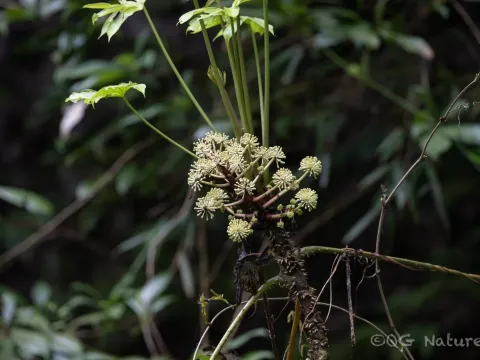
Brassaiopsis
Brassaiopsis
Brassaiopsis is a genus of evergreen trees and shrubs belonging to the Araliaceae family. These plants are known for their striking architectural appearance, featuring large, palmately lobed leaves that create a bold visual statement in botanical collections.
What the section contains


Brassaiopsis
The native distribution of this genus spans the tropical and subtropical regions of Asia, primarily across India, China, and Southeast Asian nations. They typically thrive in moist, shaded forest environments, occupying the understory layers.
Successful cultivation requires a climate that remains consistently warm with high atmospheric humidity levels. In non-tropical regions, Brassaiopsis must be grown in specialized greenhouse environments, as the species is highly sensitive to freezing temperatures.
The ideal growing medium consists of fertile, well-draining soil with a neutral to slightly acidic pH. Proper drainage is essential to prevent waterlogging, which significantly increases the risk of root pathogens in confined horticultural spaces.
Cultural management involves providing diffused light to avoid leaf scorching and applying balanced fertilizers during the primary growth cycle. Maintaining adequate airflow is also critical to ensure plant health and prevent the buildup of stagnant, humid air.
The primary pests affecting Brassaiopsis are spider mites and mealybugs, which tend to proliferate in conditions where humidity is not properly managed. Implementing integrated pest management strategies is necessary to maintain the aesthetic quality of the foliage.