
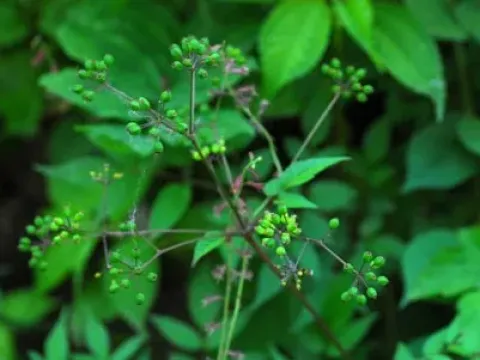
Aralia apioides
Aralia apioides
Aralia apioides is a distinct perennial species belonging to the Araliaceae family. It is recognized for its unique foliage structure, which bears a striking resemblance to plants in the Apiaceae family, a feature that distinguishes it from other typical aralia species.
What the section contains
Aralia apioides
The plant originates from the mountainous regions of East Asia, thriving in damp forest environments. It is specifically adapted to ecological niches characterized by high humidity, moderate temperatures, and rich, organically fertile forest soils.
When cultivating this crop, providing a stable, shaded environment is crucial. Aralia apioides is sensitive to intense direct sunlight, which can cause significant damage to its leaves, so integrating it into areas with partial shade is essential for success.
The soil requirements for optimal growth include a loamy, well-drained substrate with a neutral to slightly acidic pH. Consistent soil moisture is necessary, though the roots must be protected from waterlogging, which is a common cause of failure in agricultural settings.
Economically, this species is highly valued for its phytochemical profile. It is often explored as a potential source for herbal supplements due to its potential adaptogenic properties, contributing to its status as a specialized medicinal crop.
The primary threats to Aralia apioides involve fungal infections that target the root system. Over-irrigation and compacted soil are the most common triggers for root rot, necessitating strict monitoring of moisture levels throughout the growing season.
Mollusks, such as slugs and snails, are frequent pests that thrive in the same humid conditions required by the plant. They can cause significant foliage damage within a very short period, often requiring the use of physical barriers or targeted control measures.
Spider mites can be problematic during periods of low humidity or high temperatures. These pests typically congregate on the underside of leaves, and if left unchecked, they can lead to rapid chlorosis and subsequent reduction in the overall vigor of the crop.
Powdery mildew may occur if planting density is too high, preventing adequate airflow between individual specimens. Maintaining recommended spacing is a key preventative measure to reduce humidity trapped around the leaves.
Regular monitoring for symptoms of nutrient deficiency or pathogenic activity is vital. A healthy crop requires a balanced approach to fertilization and site maintenance to ensure high resilience against potential agricultural stressors.