
Aralia schmidtii
Aralia schmidtii
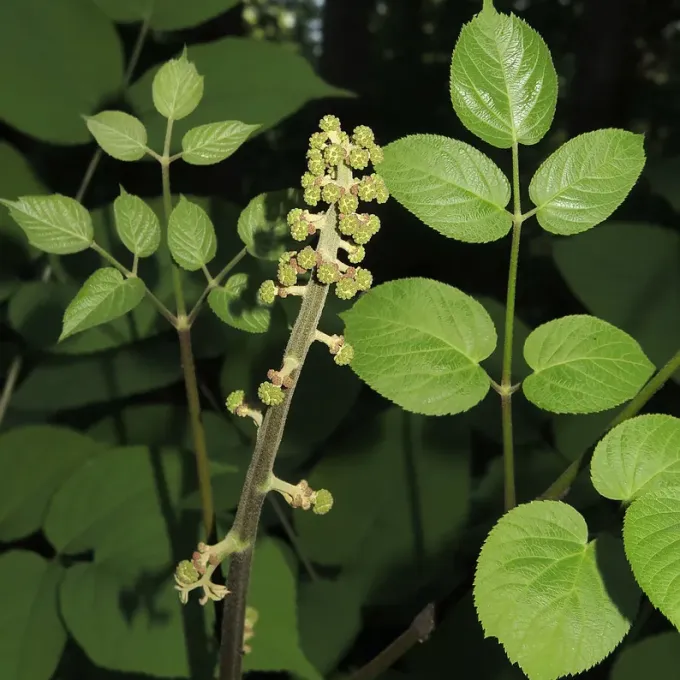
Description
Sowing dates
The propagation of Aralia schmidtii in nursery or industrial conditions is primarily achieved through vegetative methods, specifically using root cuttings. Harvesting the propagation material is performed in autumn or early spring before the start of active sap flow.
Seed propagation requires significant time due to the necessity of prolonged stratification. Seed germination is typically low; therefore, to ensure uniform emergence, seeds are subjected to multi-stage treatment under variable temperature conditions.
Planting seedlings or cuttings into open ground is conducted in the spring once the soil temperature reaches 10–12 degrees Celsius. This allows the plants to establish their primary root system before the onset of intense summer heat.
It is crucial to maintain a distance of at least 1.5–2 meters between plants during planting. Aralia is a light-demanding crop, and overcrowding drastically reduces productivity and the overall quality of the raw material.
The soil prior to planting must be well-drained, rich in organic matter, and maintain a slightly acidic or neutral pH level. On heavy clay soils, it is mandatory to add sand and compost to improve aeration and root development.
Growing requirements
Aralia schmidtii is a perennial shrub belonging to the Araliaceae family, native to the Russian Far East. The crop prefers sheltered locations protected from strong winds while receiving sufficient levels of natural sunlight.
The plant has high moisture requirements, yet it cannot tolerate standing water in the root zone. The optimal growth medium is a fertile, light loam or sandy loam soil with a high content of humus and essential nutrients.
Aralia is known for its high frost resistance; however, during the first years of life, young shoots may be damaged by late frosts. Mulching the root zone with peat or compost is recommended to retain moisture and protect the root system.
During the active growth phase, the plant requires regular irrigation during drought periods. Providing the soil with nitrogen and potassium fertilizers during the active vegetation season is a critical factor for successful development.
Biologically, Aralia is characterized by the presence of thorns on its stems, which is a key diagnostic feature. The plant is highly valued for its medicinal raw material, containing triterpene glycosides that stimulate the central nervous system.
Yield
The yield of raw material (roots and rhizomes) directly depends on the age of the plantation and the adherence to correct agrotechnical practices. Typically, root harvesting is performed no earlier than 5–7 years after planting.
On an industrial scale, the yield of dry medicinal material per hectare can be substantial, provided that high-density planting and proper care of the plantations are maintained throughout the growing cycle.
The quality of the harvest is determined by the concentration of biologically active compounds, specifically aralosides. The peak accumulation of these substances occurs in plants aged 7–10 years, making this the optimal window for harvesting.
Plantation management throughout the growth cycle includes weeding between rows and periodic loosening of the surface soil. This helps to avoid competition with weeds, which have a negative impact on the growth rate of Aralia.
An important indicator of productivity is the annual increase in the above-ground biomass. Strong, well-developed shrubs form a powerful root system, which ensures high overall biomass production at the time of harvest.
Main diseases and pests
The primary threats to Aralia plantations are fungal root diseases, often caused by waterlogging or stagnation of rainwater. These conditions lead to root rot and the rapid death of the entire shrub.
Among pests, leaf-eating insects and aphids pose the greatest risk, especially during the spring and summer. To protect the crop, appropriate broad-spectrum insecticides should be used upon detection of early infestation signs.
Plants may also suffer from rodent damage, particularly in winter, when the bark of young shoots serves as a food source for voles. Preventive measures include installing fences and keeping the root zone free of organic debris.
Powdery mildew infections occur less frequently but require immediate intervention with fungicides if symptoms appear on the leaves. Proper ventilation and spacing in the plantation serve as the best forms of prevention.
The risk of disease increases significantly when agrotechnical standards are violated, such as overcrowding or nutrient imbalances. A healthy plant with a strong immune system is significantly more resilient to natural pests.
Harvesting
Harvesting of Aralia schmidtii is carried out in the autumn when the above-ground parts of the plant begin to die back. During this time, the concentration of active medicinal compounds in the roots reaches its maximum.
The extraction of roots requires care to maintain the integrity of the root system. After digging, the roots are cleaned of soil, washed in cold running water, and separated from any fine lateral rootlets.
Subsequent preparation involves cutting the roots into pieces 10–15 cm in length. Drying of the raw material is performed in well-ventilated rooms or specialized industrial dryers at temperatures not exceeding 60 degrees Celsius.
Properly dried raw material should possess a characteristic aroma and specific taste; the roots should snap cleanly rather than bend. Quality drying prevents the development of mold and spoilage of the valuable material.
The dried roots should be stored in dry, dark rooms within tightly sealed containers. When conditions of humidity and temperature are strictly controlled, the material retains its medicinal properties for several years.