
Aralia nudicaulis
Aralia nudicaulis
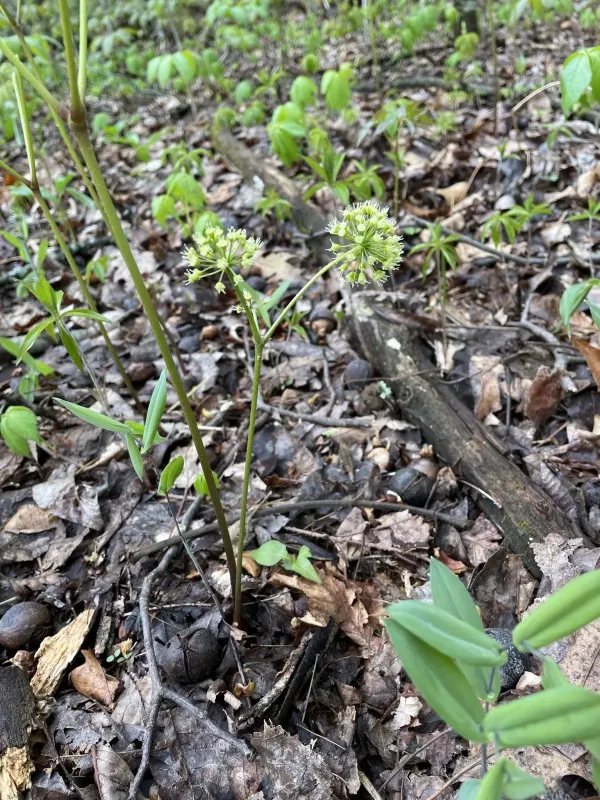
Description
Sowing dates
Seeds of Aralia nudicaulis require a period of cold stratification, typically lasting three to four months, to break dormancy before germination can occur.
The most effective method is to sow seeds in prepared soil beds in the fall, allowing natural winter temperatures to fulfill the stratification requirement.
When planting in rows, ensure a depth of no more than 2 centimeters to prevent the seeds from being buried too deep for successful sprout emergence.
Moisture control is critical during the initial stages; the soil must remain consistently damp without becoming waterlogged to support the emerging roots.
In greenhouse settings, use well-draining peat-based mixes to optimize aeration and provide a consistent environment for delicate seedlings.
Growing requirements
Aralia nudicaulis thrives in shaded conditions, mimicking its natural forest floor habitat where it is protected from intense direct solar radiation.
The soil should be rich in organic matter, such as leaf mold or well-rotted compost, which maintains a moist but porous structure essential for root health.
The ideal soil pH is slightly acidic to neutral, which supports the symbiotic soil microbial communities that the plant relies on for nutrient uptake.
Consistent, moderate moisture is preferred, as the plant does not tolerate prolonged drought conditions, which can lead to wilting and reduced root growth.
This species is well-adapted to temperate climates and demonstrates excellent winter hardiness, allowing it to survive sub-zero temperatures with minimal risk.
Yield
The primary economic output of Aralia nudicaulis is the rootstock, which requires several years of maturation to reach an optimal size for harvesting.
Cultivators should expect a minimum of four to five years of growth before the first harvest to ensure a sufficient concentration of bioactive compounds.
Regular application of organic mulch mimics the forest floor environment and significantly contributes to a faster rate of rootstock development.
Yield consistency depends heavily on controlling competition from invasive weeds, which can rob the crop of essential soil moisture and light resources.
Proper density management, with adequate spacing between plants, ensures that each individual has the biological space to develop a robust rhizome system.
Main diseases and pests
Root rot is the most significant threat, particularly in poorly drained soils, making site selection the most important factor in disease prevention.
Slugs and snails can cause cosmetic and physical damage to the leaves during damp spring weather, necessitating monitoring or manual removal strategies.
Fungal diseases related to high humidity can affect the foliage; maintaining adequate air circulation between plants is a vital preventative measure.
Aphids may occasionally target the undersides of leaves, and while generally not fatal, they can weaken the plant and hinder overall growth performance.
Keeping the surrounding area clear of opportunistic weeds prevents the accumulation of pests and diseases that could otherwise migrate to the crop.
Harvesting
Harvesting is performed in late autumn, once the foliage has turned yellow and withered, indicating that nutrients have migrated into the rhizomes.
The roots are carefully lifted from the soil using mechanical or manual tools, ensuring the main rhizome structure is kept intact and clean.
Once harvested, the rhizomes are washed to remove debris and then processed through a drying cycle to prevent any risk of rot or mold development.
Drying must occur at temperatures below 45 degrees Celsius to protect the integrity of the chemical compounds sensitive to high-heat exposure.
Storage should be in a cool, dry, and dark environment, utilizing breathable packaging to maintain the quality of the raw material until it is shipped.