
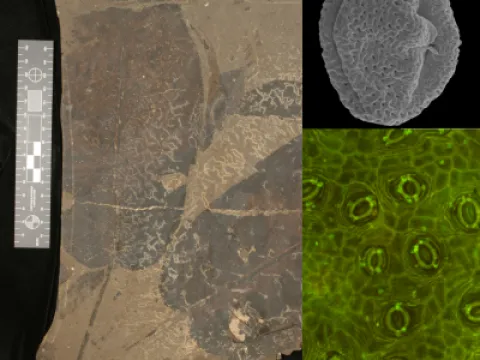
Astropanax
Astropanax
Cultivating Astropanax, a member of the Araliaceae family, requires creating an environment that mimics its native tropical or subtropical habitat. Propagation is typically achieved through seeds or stem cuttings, with the latter being more common for maintaining consistent genetic traits.
What the section contains


Astropanax
Seeds should be sown in a sterile, well-draining substrate rich in organic matter. Maintaining a constant soil temperature between 22°C and 25°C is critical, as cold soil can lead to dormancy or seed rot before germination occurs.
For cutting propagation, semi-hardwood stems are preferred. Cuttings should be treated with a rooting hormone and placed under high-humidity conditions, such as a propagation chamber or a misting system, to prevent desiccation.
Seedlings need to be transplanted once they develop at least two sets of true leaves. Care must be taken not to damage the delicate root system, as Astropanax plants are sensitive to root disturbance during early growth stages.
Proper spacing is essential to encourage healthy air circulation. Overcrowding in the nursery stage promotes fungal growth, which is a major cause of seedling loss in many Araliaceae species.
Astropanax plants thrive in environments with high humidity and stable temperatures. They are highly susceptible to sudden fluctuations, which can lead to leaf drop and stunted growth. Indoor or greenhouse cultivation requires automated climate control systems.
The soil must be light, loose, and possess excellent drainage properties. A mix of peat, perlite, and pine bark is often ideal. Preventing waterlogged conditions is essential, as the roots are prone to rapid decay in saturated environments.
Light requirements for Astropanax involve bright, indirect sunlight. Direct exposure to intense midday sun causes leaf scorch and chlorosis. Using shade cloth is a standard practice to moderate light levels in greenhouse settings.
Irrigation should be consistent but moderate. The growing medium should be allowed to dry slightly between watering sessions to ensure oxygen reaches the roots. Overwatering is the most common mistake made by inexperienced growers.
Fertilization should be applied during the active growth phase using a balanced fertilizer formula. Excessive nitrogen should be avoided to prevent weak, succulent growth that is more prone to insect infestation and physiological disorders.
The yield of Astropanax is evaluated based on the biomass production of its leaves and bark, which are utilized for various industrial and pharmaceutical purposes. Achieving a high yield requires optimal environmental management and balanced nutrition.
In commercial operations, plants are grown in large containers or dedicated greenhouse plots. Pruning techniques are employed to manage the plant structure, ensuring that the canopy receives adequate light for biomass development.
The concentration of secondary metabolites, which determines the crop's economic value, can be influenced by controlled stress factors. Growers often adjust environmental parameters to maximize the accumulation of these compounds.
Annual biomass output is dependent on the plant's age and the frequency of harvests. Mature specimens that have established strong root systems tend to produce higher yields compared to younger plants.
While Astropanax is not a staple food crop, its utility in the medical and ornamental sectors makes it a high-value niche plant. Consistent monitoring of growth metrics allows for precise forecasting of harvest volumes.
Root rot, primarily caused by Pythium or Phytophthora species, represents the most significant threat to Astropanax. This disease thrives in waterlogged soil and spreads rapidly if moisture levels are not carefully managed.
Spider mites are the most troublesome pests, particularly when humidity levels drop below optimal thresholds. These pests cause severe foliage damage by piercing cell walls, which can lead to leaf yellowing and necrosis.
Scale insects and mealybugs can also infest the plants, particularly in greenhouse conditions. These pests hide in leaf axils, making manual inspection and treatment with horticultural oils or insecticidal soaps necessary.
Disease prevention relies heavily on maintaining strict sanitation protocols. Disinfecting pruning tools between uses is mandatory to prevent the mechanical transmission of viruses and fungal spores.
Integrated Pest Management (IPM) strategies, including the use of biological controls, are highly recommended. This approach minimizes the use of harsh chemicals, ensuring the quality of the harvested biomass is not compromised.
Harvesting Astropanax requires precision to avoid damaging the structural integrity of the plant. Leaves are typically hand-harvested using sharp, sanitized shears to ensure clean cuts that heal quickly.
Immediately after harvest, the raw material must be processed. This involves removing any damaged or discolored parts to prevent contamination of the clean batch, especially during the drying phase.
Drying must be conducted in a controlled environment with good airflow and protection from direct sunlight. Temperatures should not exceed 40°C to preserve the integrity of the heat-sensitive chemical compounds within the tissue.
Storage of the finished product requires hermetically sealed containers kept in a cool, dark, and dry place. This maintains the product's quality and extends its shelf life for distribution.
Long-term planning is required for harvest cycles. The plant must be given adequate recovery time after significant pruning to allow it to replenish its nutrient reserves before the next harvest window.