
American spikenard
Aralia racemosa
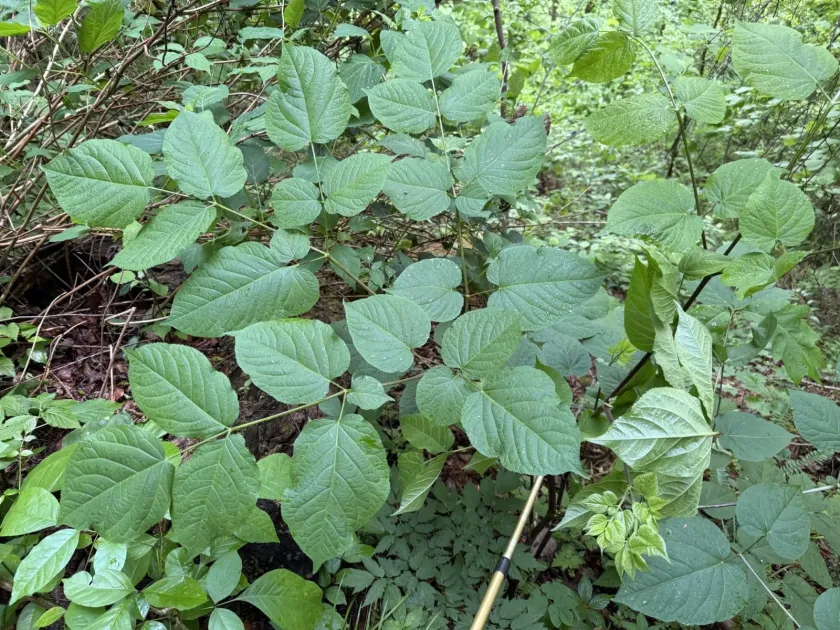
Description
Sowing dates
American spikenard is typically propagated by seed, which requires a period of cold stratification for 60 to 90 days to overcome dormancy and ensure successful germination.
Direct seeding in the garden should be performed in the fall, allowing the seeds to experience winter temperatures naturally before sprouting in the spring.
If starting indoors, seeds should be sown in early spring in well-drained, moist potting soil and kept in a cool place before being moved to warmer conditions.
Once seedlings have developed several true leaves, they should be hardened off and transplanted into their permanent outdoor location.
Planting depth should be shallow, as the seeds are small and require sufficient light exposure to initiate the growing process effectively.
Growing requirements
Aralia racemosa is a perennial herbaceous plant belonging to the Araliaceae family, native to the deciduous forests of North America.
The species prefers cool, shaded sites with rich, moist, loamy soil, effectively mimicking its natural habitat on the forest floor.
It demands adequate soil moisture throughout the growing season and should be sheltered from harsh afternoon sun to prevent leaf scorching.
The soil should have a slightly acidic to neutral pH and be amended with leaf mold or compost to maintain fertility and structure.
While hardy, the plant benefits from a layer of organic mulch during winter to protect the crown and root system from extreme fluctuations in temperature.
Main diseases and pests
Common pests for this crop include aphids, which cluster on new growth, and slugs, which can cause significant damage to young foliage during wet weather.
Root rot is a major threat in soils with poor drainage, often caused by stagnant water that prevents root aeration and promotes fungal growth.
Leaf spot diseases may occur in environments with poor air circulation or high humidity, requiring the removal and destruction of infected parts.
Regular monitoring of the plantation is essential for early detection of pest outbreaks, allowing for quick, non-chemical interventions.
Deer and other herbivores may occasionally graze on the foliage, so fencing or protective barriers might be necessary in rural planting locations.
Harvesting
The root system is the main harvestable part of the plant, containing active compounds commonly used in traditional herbal medicine.
Harvesting should be delayed until the plant is at least three to four years old to ensure the roots have reached a sufficient size and potency.
Roots are harvested in the autumn after the plant enters dormancy and the foliage has naturally withered, directing energy back into the root mass.
After digging, roots must be washed thoroughly to remove all soil debris, sliced into smaller segments, and dried in a well-ventilated area.
Properly dried material should be stored in a cool, dry place away from direct sunlight to preserve the medicinal integrity of the aromatic roots.