
Wolffia brasiliensis
Wolffia brasiliensis
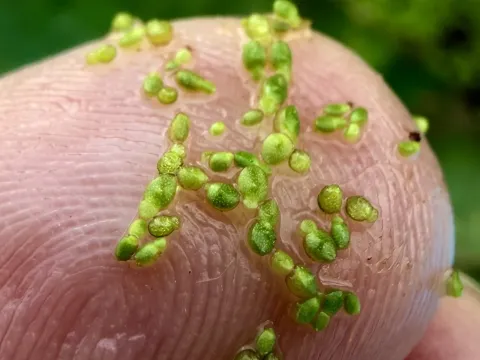
Wolffia brasiliensis belongs to the Araceae family and is recognized as one of the smallest flowering plants on Earth. It lacks roots, stems, and leaves, appearing as tiny green grains floating on the water's surface.
What the section contains
Wolffia brasiliensis
To thrive, this crop requires stagnant or slow-moving water bodies rich in organic nutrients and nitrogen. The ideal temperature for consistent growth ranges between +20 and +30 degrees Celsius.
The plant is highly sensitive to the pH levels of the water, which should be maintained between 6.5 and 7.5. Proper chemical balance is essential for rapid cell division and maximizing biomass accumulation.
Commercial production is typically conducted in specialized ponds or closed-loop aquaculture systems. Adequate shading is often necessary to prevent damage from excessive direct sunlight while ensuring sufficient light for photosynthesis.
A key biological trait of the plant is its incredible reproductive rate. Under optimal conditions, the biomass can double in size within just a few days, making it a highly efficient biological factory.
Wolffia brasiliensis is known for its remarkable yields, which are among the highest for any higher plant. Its continuous growth cycle allows for frequent harvests throughout the year.
In nutrient-rich cultivation environments, the yield of dry matter can reach tens of tons per hectare annually. High stocking density is a critical factor for maximizing commercial production levels.
The main agricultural use of the plant is in aquaculture as a premium feed for herbivorous fish. Its protein profile, comparable to soy, makes it an excellent sustainable source of nutrition.
Furthermore, the plant is gaining interest as a "superfood" for human consumption. It is rich in essential amino acids, B vitamins, and antioxidants, offering high nutritional value per gram.
Harvesting efficiency is driven by modern separation technology. Automated filtration systems are essential for collecting the biomass efficiently while keeping the water clean for the next cycle.
Pathogenic microorganisms, particularly those thriving in over-enriched organic water, pose a significant threat. Bacterial blooms can cause the rapid decay of the entire population if not controlled.
Competition from other aquatic macrophytes, such as common duckweed (Lemna), can stunt the growth of Wolffia. These invasive species quickly cover the surface, depriving the crop of necessary light.
Pests such as small aquatic crustaceans or insect larvae can consume the biomass, leading to substantial crop losses. Managing these pests without chemicals is challenging given the sensitive nature of the plant.
Heavy metal or pesticide contamination is strictly forbidden, as the plant acts as a biological filter and absorbs these toxins from the water, rendering the final product unsafe for consumption.
Lack of dissolved oxygen due to overcrowding can lead to the collapse of the plant population. Regular aeration and circulation are vital to maintaining a healthy and productive environment for the crop.
The harvesting process involves passing the water containing the Wolffia colony through fine-mesh filters. This allows for the gentle removal of the biomass without damaging its delicate structure.
After collection, the excess water is removed using mechanical drying or pressing methods. Timely harvesting is crucial to prevent the overgrowth of the colonies, which can lead to senescence.
The harvested product is often dried to create a nutrient-dense powder, which is easier to transport and store compared to fresh biomass. This form is ideal for blending into animal feed formulas.
Strategic harvesting cycles ensure that enough biomass remains in the pond to serve as a seed for the next growth phase. Typically, producers harvest 30-40% of the volume at a time.
Mechanized skimmers are employed in large-scale operations to automate the collection process. This reduces labor costs and ensures a steady supply of high-quality plant material for the market.