
Western skunk cabbage
Lysichiton americanus
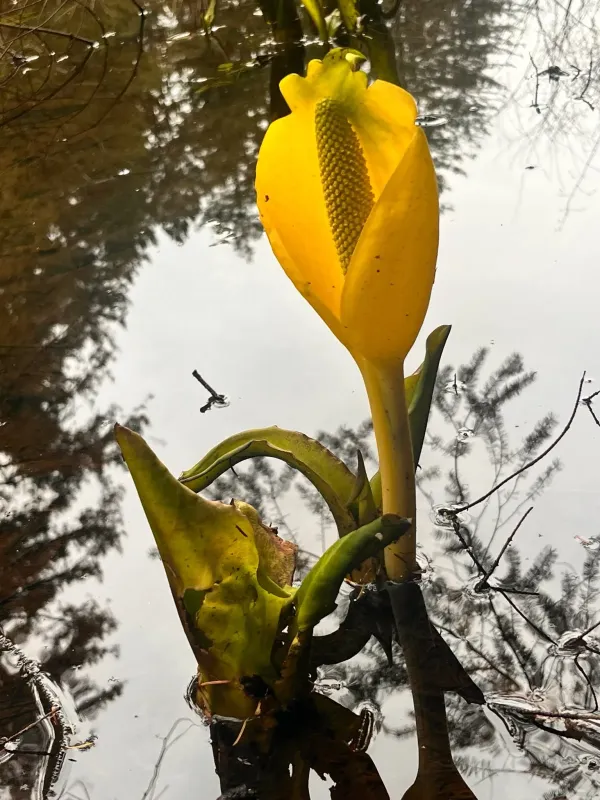
Description
Sowing dates
Lysichiton americanus is propagated by seeds or division of mature rhizomes. Seeds require a cold stratification period of several months, making autumn sowing directly into the prepared substrate the most efficient method.
When sowing, seeds should be barely covered with soil, as they require light to stimulate germination. The sowing container or bed should be kept consistently moist throughout the winter and early spring months.
Vegetative propagation is achieved by dividing the clump in early spring, just before the new foliage begins to emerge. Each division must retain a healthy portion of the rootstock and at least one growth node.
Plants should be spaced at least 50 centimeters apart to accommodate the large, spreading leaves. Proper spacing is essential to ensure adequate airflow and to prevent competition for nutrients in the soil.
Careful site selection is mandatory as this plant dislikes root disturbance. Once established in a permanent location, the plant will thrive for many years if provided with consistent environmental conditions.
Growing requirements
A member of the Araceae family, this species is native to wetlands and swampy areas of Western North America. It thrives in environments that replicate these natural, moisture-rich habitats.
The ideal soil is rich, acidic, and heavy with organic matter. High moisture levels are non-negotiable, and the plant is often best suited for the edges of ponds, streams, or consistently damp garden bogs.
The climate should be cool and humid. While the plant is hardy and can withstand freezing temperatures, the crown of the plant benefits from a protective layer of mulch during harsh winters.
Nutrient requirements are met through the regular addition of leaf mold or well-rotted compost. The plant is a heavy feeder, particularly during the rapid growth phase of the early spring season.
Light levels should be restricted to partial shade or filtered sunlight. Direct exposure to the hot afternoon sun will lead to leaf scorch and premature wilting, drastically reducing the aesthetic impact of the plant.
Main diseases and pests
Western skunk cabbage is remarkably resistant to pests due to high levels of calcium oxalate crystals in its tissues. This biochemical defense mechanism effectively deters most herbivorous insects.
Root rot caused by fungal pathogens is the most significant threat to plant health. This usually occurs when the soil lacks oxygen due to stagnant water combined with poorly drained, compacted clay layers.
Slugs and snails are the most common pests that target young, succulent leaves in the early spring. Monitoring these populations and using physical barriers is a standard procedure for protecting the plant.
Drought stress is a major factor that negatively impacts the longevity of the plant. A single period of soil desiccation can cause the leaves to collapse and may permanently weaken the rhizome.
Mechanical damage to the roots during maintenance or weeding activities can introduce bacterial infections. It is advised to use light hand weeding only, avoiding deep cultivation around the plant's base.