
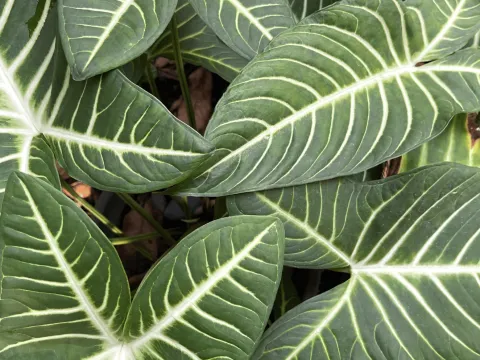
Xanthosoma
Xanthosoma
Planting of Xanthosoma in tropical climates is generally timed with the onset of the rainy season. The optimal sowing window depends on the specific region, but it typically occurs when the soil warms up and moisture levels are sufficient to support active sprouting of the tuber segments.
What the section contains


Xanthosoma
Propagation is achieved by using sections of the rhizome or the apical parts of the tubers, weighing between 100 and 200 grams. These planting materials are placed at a depth of 10–15 centimeters, with adequate spacing between plants to allow for the development of a large, lush leaf canopy.
The crop requires a long frost-free period, which makes outdoor cultivation in temperate regions impossible, restricting production to greenhouses. The growth cycle is quite long, usually spanning from 9 to 12 months until the tubers reach full harvest maturity.
Proper field preparation is essential for successful sowing. The soil must have a loose structure to allow the rhizomes to expand freely without physical resistance, which is a critical prerequisite for achieving high yields of healthy tubers.
Timely planting ensures that the plant develops sufficient vegetative mass before the onset of the relative dormancy period. This timing is crucial for maximizing starch accumulation in the tubers and ensuring the nutritional quality of the final harvest.
Xanthosoma is a classic tropical crop belonging to the Araceae family. It thrives in hot and humid climates where average temperatures remain consistently between 20 and 25 degrees Celsius throughout the entire growth cycle.
The plant has high water requirements, yet it is extremely sensitive to waterlogging, which quickly leads to root rot. Ideal soil conditions consist of light, well-drained loams or sandy loams rich in organic matter.
The crop has a substantial nutrient demand, particularly for nitrogen to promote the growth of large leaves, and potassium to support tuber development. In commercial production, the application of balanced mineral fertilizers is common practice.
Xanthosoma is relatively shade-tolerant; however, for maximum yields, it requires good lighting while needing protection from intense midday sun, which is often managed by intercropping with fruit-bearing trees.
The optimal soil pH range for Xanthosoma is between 5.5 and 6.5. Deviations from this range can lead to slowed growth rates and poor nutrient uptake, necessitating soil amendments to adjust acidity levels prior to planting.
The average yield of Xanthosoma, under optimal agronomic practices, ranges from 10 to 20 tons per hectare. This figure depends heavily on the chosen variety, planting density, and the intensity of irrigation and crop management.
A biological feature of Xanthosoma is the formation of a large central corm surrounded by smaller secondary tubers, which collectively make up the marketable portion of the crop. A single plant can yield several kilograms of tubers under favorable conditions.
Economically, the crop is highly valued for its edible tubers, which serve as a primary source of complex carbohydrates and vitamins. In many tropical regions, they are a staple food, effectively replacing potatoes in local diets.
Xanthosoma leaves are also widely used in culinary practices. Once cooked thoroughly to remove calcium oxalate crystals, they provide a nutritious green vegetable rich in protein and essential minerals, making the entire plant a versatile agricultural resource.
The best economic results are achieved by using high-vigor varieties that can develop marketable tubers in a shorter timeframe while maintaining low levels of acrid compounds, which can be an issue in wild-type varieties.
The primary threats to Xanthosoma are fungal diseases, such as root and stem rot caused by pathogens like Pythium and Phytophthora. These infections are especially destructive in conditions of high soil moisture and poor air circulation.
Among pests, nematodes are the most significant threat, damaging the root system and hindering nutrient absorption. Effective control relies on proper crop rotation and the use of healthy, disease-free planting materials.
The plant can also be damaged by various leaf-eating insects, including caterpillars and beetles, which reduce the total leaf surface area available for photosynthesis. This leads to a reduction in tuber starch accumulation and lower final harvest weight.
Viral infections transmitted by insect vectors or through contaminated garden tools pose a severe risk to plantation health. Symptoms include leaf curling, deformation, and chlorosis, requiring immediate rogueing of infected plants.
To minimize risks, it is recommended to maintain spatial isolation between Xanthosoma fields and other crops of the Araceae family. Selecting and breeding for resistant varieties remains the most effective long-term strategy for pathogen management.
Harvesting begins when the foliage begins to yellow and die back, signaling the end of the growth cycle and the maturity of the tubers. This usually occurs 9 to 12 months after initial planting.
The extraction of the tubers must be handled with great care because the skin is thin and susceptible to mechanical damage. Any cuts during the harvest process create entry points for soil-borne pathogens and significantly reduce storage life.
After being lifted from the soil, the tubers are cleaned of dirt and roots, then dried in the shade for several days to allow any minor wounds to heal. In tropical regions, they are often stored in cool, dark, and well-ventilated areas.
Depending on commercial requirements, the tubers may be processed immediately into starch flour or transported to markets for fresh sale. It is crucial to avoid prolonged exposure to direct sunlight immediately after harvesting.
Regular monitoring of plant health before harvest allows farmers to determine the precise window for picking. Harvesting too early results in small tubers with low starch content, while harvesting too late increases the risk of soil-borne rot.