
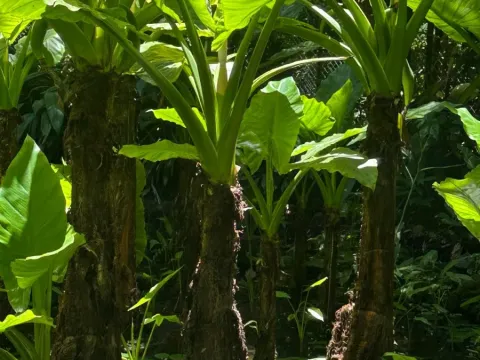
Typhonodorum
Typhonodorum
Typhonodorum lindleyanum is a giant aquatic or semi-aquatic perennial plant belonging to the Araceae family. Native to Madagascar and surrounding islands, it thrives in environments that mimic flooded marshlands and tropical swamps.
What the section contains

Typhonodorum
To successfully cultivate this plant, a constant tropical climate is essential. It requires average temperatures consistently above 22°C and cannot survive frost or prolonged cold snaps, which cause the plant tissues to collapse immediately.
The soil requirements are distinct from typical terrestrial crops; it prefers nutrient-rich mud, silt, or submerged substrates. It is a highly water-dependent species that can survive in stagnant water, provided the nutrient levels are sufficient to support its massive growth.
In terms of light, Typhonodorum performs best in full sun once established, but seedlings require partial shade to prevent leaf scorching. Humidity should remain high throughout the year to ensure the large, arrow-shaped leaves remain turgid and functional for photosynthesis.
Agrotechnical management includes periodic clearing of debris around the base of the plant to prevent rot. Because of its massive size, individual plants require significant spacing to prevent competition for light and nutrients in a field setting.
The harvesting process of Typhonodorum is primarily focused on its rhizomes and thickened stems, which serve as a localized source of starch. Harvest is typically performed manually during the drier season to allow easier access to the swampy root zones.
Before consumption, the harvested material must undergo rigorous processing. Like many members of the Araceae family, it contains calcium oxalate crystals which cause severe irritation, meaning the plant must be thoroughly boiled or baked before it is considered edible.
The preparation process effectively neutralizes the acrid compounds, leaving a starchy, food-grade base. While not as commercially widespread as cassava or yams, it serves as a critical supplementary food source for local communities in remote areas.
In addition to its culinary use, the fibrous leaves and stems are occasionally utilized for domestic purposes, such as packaging or as temporary roofing material. However, these are secondary uses compared to its primary role as a carbohydrate provider.
While the cultivation of Typhonodorum does not currently compete with major industrial starch crops due to processing requirements and slow growth cycles, it remains an important study subject in the field of ethnobotany and traditional wetland agriculture.