
Wolffia
Wolffia Horkel ex Schleid.
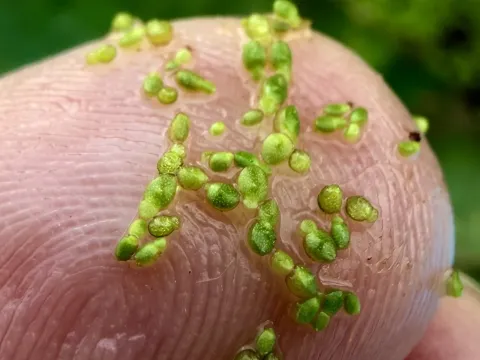
Wolffia is a genus of rootless aquatic plants belonging to the Araceae family, subfamily Lemnoideae. Known as the smallest flowering plants on Earth, these tiny, floating, green, ovoid fronds inhabit freshwater bodies across tropical and temperate regions globally.
What the section contains


Wolffia
The culture thrives in warm climates, requiring water temperatures between 20°C and 30°C for optimal growth. It is highly sensitive to extreme cold, which can induce dormancy or cause biomass decline. Proper lighting is essential, as the plant depends on sunlight to drive its rapid photosynthetic process.
Wolffia requires a nutrient-rich environment, specifically water high in dissolved nitrogen and phosphorus. In agricultural settings, it is often grown in shallow tanks where it effectively extracts minerals from the water, which serves both as a production method and a biological filtration process.
The agronomic management of Wolffia focuses on water quality control, maintaining a neutral pH, and ensuring adequate surface area for colony expansion. Constant water agitation is provided to prevent stagnation and to ensure that all fronds receive sufficient light and nutrients.
Reproduction is almost exclusively vegetative, with daughter fronds budding from the parent plant. Under ideal conditions, the population can double in biomass every 24 to 48 hours, making it one of the most regenerative and rapidly growing plant species currently in agricultural use.
Wolffia is increasingly recognized for its exceptional protein density, containing significantly higher levels of protein and essential amino acids than many traditional terrestrial grain crops. Its dry matter consists of approximately 30-40% protein, rich in B-vitamins and essential minerals.
The high yield potential makes it an attractive alternative for sustainable protein production. When cultivated in managed aquaculture ponds, Wolffia can produce several tons of dried biomass per hectare annually, offering a high-efficiency solution for livestock feed and human nutrition.
While Wolffia is hardy, it is susceptible to specific threats in monoculture systems. Algal blooms, particularly filamentous algae, can outcompete the crop for light and nutrients. Additionally, water-borne pathogens or sudden changes in chemical pollutants can trigger massive population crashes.
Certain insect larvae and small aquatic invertebrates can feed on the fronds, though these are rarely a major issue in controlled indoor or closed-loop systems. Maintaining high water hygiene and monitoring for microbial balance is the best defense against pests and diseases.
Harvesting is performed using mechanical sieving systems or specialized skimmers that lift the plant colonies from the surface. The process requires fine-mesh equipment to ensure the recovery of the tiny fronds while allowing excess water to drain away before the drying or processing phase.
Post-harvest handling is critical, as fresh Wolffia is perishable due to its high moisture content. Industrial processors typically move the biomass directly to a drying facility to produce meal or to a freezing unit to preserve the nutritional value for human or animal consumption.