
Wolffia microscopia
Wolffia microscopia
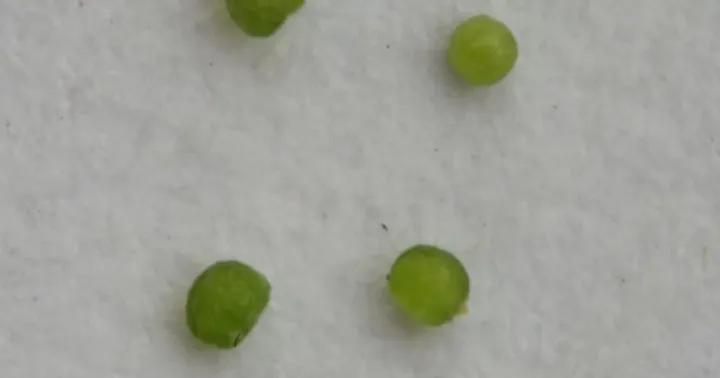
Description
Sowing dates
Wolffia microscopia does not use seeds for propagation; instead, it is cultivated through vegetative reproduction. The process begins by introducing a starter culture of thalli into a nutrient-rich water basin, where they begin to divide and multiply across the surface area.
Proper inoculation requires maintaining a balance between the culture density and the available surface space. As the plants multiply, they form a dense, green mat that covers the water surface, which is then harvested regularly to prevent overcrowding and ensure rapid growth.
Light exposure is a critical factor during the initial establishment phase. Providing approximately 12–14 hours of consistent light, whether natural or through LED arrays in controlled environments, is essential to stimulate the vegetative division process from day one.
Maintaining a clean starter stock is paramount in professional cultivation. Any contamination from other duckweed species or invasive aquatic algae must be carefully managed to ensure the purity of the crop, which is crucial for meeting quality standards in food and feed production.
The cycle of doubling biomass can be as fast as every few days under optimal conditions. By carefully managing the input of nutrients and light, cultivators can sustain continuous cycles of production, making it an incredibly efficient crop in terms of space and time usage.
Growing requirements
As a member of the Araceae family, Wolffia microscopia is recognized as the smallest flowering plant on Earth. It consists of a tiny, rootless green thallus that floats on the surface of water, absorbing nutrients directly through its epidermis without the need for a complex root system.
The crop thrives in water with high levels of dissolved nitrogen and phosphorus. Maintaining a neutral to slightly alkaline pH is vital for metabolic efficiency, as extreme acidity or alkalinity can inhibit the growth rate and lead to the discoloration of the thalli.
Temperature management is crucial, with an ideal range of +20°C to +30°C. Cold temperatures significantly slow down the growth rate, while extreme heat may require additional aeration to prevent the depletion of dissolved oxygen levels, which the plants rely on to stay healthy.
Modern agrotechnology for Wolffia involves controlled aquaculture systems or shallow pools with gentle aeration. The goal is to keep the water moving slightly to ensure even distribution of nutrients and to prevent the development of stagnant zones where anaerobic bacteria might flourish.
Fertilization regimes should be precise, utilizing balanced mineral solutions. Because the plant is highly efficient at uptake, it can also act as a bio-filter, although this requires strict monitoring to ensure that the final biomass remains free of heavy metals or pollutants.
Yield
The yield potential of Wolffia microscopia is exceptionally high compared to traditional land-based crops. Because the plant lacks structural tissues like stems or roots, nearly all of the produced biomass is edible and rich in nutrients, minimizing waste during the harvest process.
Intensive farming systems, utilizing controlled lighting and CO2 enrichment, can yield impressive amounts of biomass. This makes the plant an attractive candidate for sustainable protein production, as it does not compete with terrestrial crops for valuable agricultural soil.
Economically, the crop serves multiple sectors, including aquaculture feed, livestock additives, and human nutrition. With a dry-weight protein content ranging between 30% and 40%, it serves as a highly digestible source of essential amino acids and micronutrients.
In the health and food sector, Wolffia is gaining popularity as a "superfood" due to its high concentration of vitamin B12, iron, and antioxidants. It is often marketed as "water lentils," emphasizing its high nutritional value and environmentally friendly production methods.
Harvesting is typically mechanized, using fine-mesh filters or automated skimmers that lift the plants from the surface. Following the harvest, the biomass is usually washed and processed via dehydration or freeze-drying to ensure shelf stability for its intended market use.
Main diseases and pests
The primary threats to Wolffia cultivation are pathogenic fungi and bacteria that can rapidly degrade the thalli if environmental conditions become suboptimal. High organic loads in the water often trigger these outbreaks, necessitating immediate sanitation measures.
Invertebrate pests, such as small crustaceans or insect larvae, can feed on the crop and reduce biomass. Growers often use integrated pest management (IPM) strategies, which prioritize biological controls over chemicals to maintain the food-grade safety of the product.
Invasive contamination by other aquatic plants, such as Lemna or Spirodela species, poses a significant threat to yields. These plants can outcompete Wolffia for light and nutrients, quickly taking over the surface of the ponds if not kept in check by regular monitoring.
The bioaccumulative nature of the plant is both a benefit and a risk. If the water source contains chemical pollutants, the Wolffia will absorb them, rendering the crop unsafe for consumption. Therefore, consistent water quality testing is a non-negotiable aspect of the production process.
Preventative maintenance of production facilities, including routine cleaning of filters and circulation pumps, is essential to minimize the risk of disease. By maintaining a clean, controlled environment, producers can protect their investment and ensure a steady output of high-quality material.