
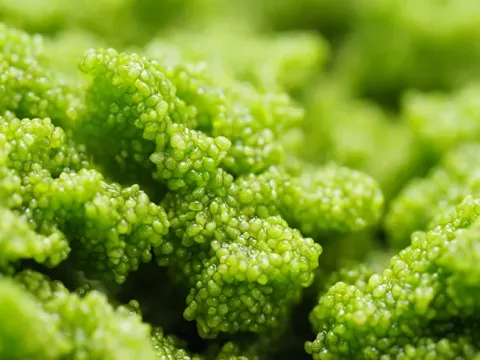
Wolffia hyalina
Wolffia hyalina
Wolffia hyalina, commonly known as watermeal, is a floating aquatic plant belonging to the Araceae family. It is recognized as one of the smallest flowering plants on Earth, lacking roots and leaves, and consisting solely of tiny, globose thalli.
What the section contains
Wolffia hyalina
The propagation of this crop is exclusively vegetative, occurring through the budding of new daughter thalli from the parent plant. This rapid division allows the colony to cover water surfaces in a very short period under optimal conditions.
To establish a crop, a starter culture of healthy thalli is introduced into a nutrient-rich water environment. The initial density must be carefully managed to allow rapid expansion while preventing nutrient competition from invasive algae.
Cultivation systems often utilize shallow tanks or troughs. Once the colonies cover the entire surface, the population is harvested, leaving a portion behind to regenerate the biomass for the next production cycle.
In closed systems, the sowing process involves creating an ideal microbial and chemical balance in the water. This ensures that the newly introduced Wolffia has no competition and can focus its energy entirely on rapid vegetative reproduction.
Temperature control is vital, with optimal growth occurring between 20°C and 28°C. If the temperature drops significantly below 15°C, the metabolism of Wolffia hyalina slows down, eventually leading to dormancy or plant mortality.
The water medium must be rich in nitrogen, phosphorus, and potassium. Many commercial growers use specialized hydroponic nutrient blends to ensure that the plants have adequate fuel for their extremely fast growth rates.
Light intensity plays a key role in photosynthesis. While the plant requires plenty of light to thrive, excessive direct sunlight can cause thermal stress and yellowing, necessitating the use of light-diffusing covers or indoor LED systems.
Maintaining the water pH between 6.5 and 7.5 is crucial for nutrient absorption. If the pH fluctuates, the plant's ability to process essential minerals is hampered, which may result in a decrease in biomass production.
Proper aeration is necessary to prevent stagnant conditions. While Wolffia does not need deep-water circulation, gentle water movement is required to facilitate gas exchange and prevent the accumulation of toxic metabolic byproducts.
The yield potential of Wolffia hyalina is exceptionally high compared to traditional crops. Under ideal conditions, the biomass can double in volume within 48 to 72 hours, offering multiple harvests throughout the season.
Productivity is measured by the amount of dry matter produced per square meter. Given the plant's high protein content, it is considered a revolutionary source of sustainable plant-based nutrition for both animal feed and human consumption.
Frequency of harvesting depends on the growing system's intensity. In warm climates or controlled indoor environments, harvesting can be performed on a near-daily basis, ensuring a consistent supply chain for the end user.
The efficiency of land and water use is a major advantage. Wolffia requires significantly less space and water resources to produce the same quantity of protein as soybeans or other land-based legume crops.
Mechanical harvesting systems, such as fine-mesh belt conveyors, allow for the rapid extraction of the crop. These systems are designed to minimize physical damage to the delicate thalli, preserving the product's integrity and nutritional value.
Filamentous algae represent the most significant threat to a Wolffia crop. These weeds compete for light and nutrients, quickly outgrowing the Wolffia and complicating the harvesting process if not managed promptly.
Fungal pathogens and bacterial rot can decimate a colony if the water quality deteriorates. High levels of organic pollutants, such as fish waste or decaying plant matter, create environments conducive to these outbreaks.
Insect larvae that inhabit water can cause damage by consuming the thalli. Biological control methods, such as introducing specific beneficial organisms or using micro-filtration, are the preferred ways to manage these pests.
Chemical contamination, specifically heavy metals or excessive pesticides from run-off water, can be absorbed by the plant. Regular water quality testing is essential to ensure the safety and marketability of the harvested biomass.
Stagnant, low-oxygen water leads to the buildup of anaerobic bacteria, which can cause the death of the crop. Maintaining proper water flow and oxygenation is the best preventative strategy against these threats.
Harvesting Wolffia hyalina involves skimming the surface of the water to collect the green thalli. Fine-mesh nets or mechanical scrapers are used to ensure that only the target plant is collected while water passes through.
Post-harvest processing includes thorough washing in clean, fresh water. This step is mandatory to remove any debris, residual nutrient salts, or minor impurities, ensuring the final product meets strict food safety standards.
Once washed, the biomass should be processed immediately. Drying techniques, such as freeze-drying or low-temperature dehydration, are preferred to maintain the rich amino acid profile and vitamin content of the plant.
Proper storage is required to maintain quality. The dried product is stored in airtight containers away from direct sunlight, which helps prevent oxidation and ensures a long shelf life of up to one year.
Logistics for fresh Wolffia require refrigerated transport with aeration if the product is meant to reach markets in its raw, living state. Because the plant is fragile, careful handling during packaging is essential to prevent degradation.