
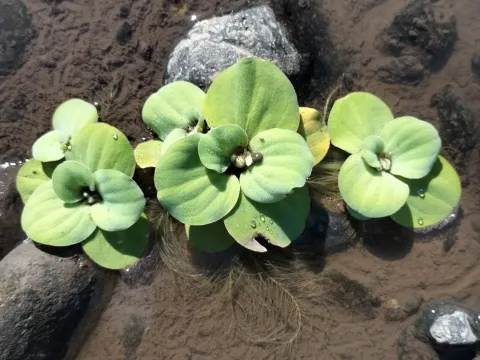
Water cabbage
Pistia
Water cabbage (Pistia stratiotes), widely known as water lettuce, belongs to the Araceae family. This perennial free-floating aquatic plant is native to tropical and subtropical regions across the globe.
What the section contains

Water cabbage
In temperate climates, active growth commences only when water temperatures remain consistently above 20°C. In outdoor environments, it is typically introduced during late spring after the final risk of frost has passed.
Propagation is almost exclusively vegetative, occurring through lateral stolons. A single mother plant can produce numerous daughter rosettes, leading to the rapid colonization of the water surface in optimal conditions.
Seed propagation is rarely utilized in commercial agriculture due to poor germination rates and the complexity of maintaining specific water parameters for seedling development. Vegetative division remains the most reliable agricultural method.
Given its aggressive growth rate, monitoring and containment are essential parts of the cultivation cycle. Proper management prevents the plant from outcompeting other species in controlled aquatic ecosystems.
Pistia requires warm conditions to thrive; water temperatures between 22°C and 30°C are ideal. Growth significantly slows down or ceases completely if temperatures drop below 15°C, making climate control vital.
The plant performs best under bright, indirect light. Intense midday sun can cause leaf scorch, necessitating partial shading in regions with high light intensity to preserve the health and color of the leaves.
Water quality is a key factor in successful cultivation. A neutral to slightly acidic pH is preferred, along with high nutrient levels (especially nitrates), which fuel the rapid expansion of the floating rosettes.
Stable water conditions are necessary for development. Strong currents or constant turbulence can damage the root systems and inhibit gas exchange, leading to leaf decay and weakened overall plant vitality.
Regular maintenance of nutrient levels is required, specifically regarding iron and essential micronutrients. Deficiencies manifest rapidly as leaf discoloration and reduced growth rates, negatively affecting the biomass yield.
Yield is measured by the rapid accumulation of biomass. Under favorable conditions, the colony density can double within a short timeframe, allowing for frequent harvesting of surplus green material.
The harvested biomass serves as a valuable organic fertilizer after composting, providing a rich source of nitrogen for soil improvement in agricultural practices. It is an excellent sustainable resource for organic farming.
In aquaponic systems, yield management is critical. Periodic thinning is required to prevent surface overcrowding, which could otherwise restrict oxygen diffusion and negatively impact fish or other aquatic life.
Pistia is frequently employed for phytoremediation, specifically for extracting heavy metals and pollutants from wastewater. Note that such contaminated biomass should be disposed of safely and never used as animal feed.
Efficient harvesting is achieved through the use of floating barriers or skimming systems. This mechanization minimizes labor costs and ensures that biomass is collected cleanly and systematically from larger water bodies.
Pistia is generally resilient, but pests such as aphids and spider mites can infest the rosettes, especially if humidity levels surrounding the plant remain low or if the plant is grown in containers.
Diseases are primarily physiological or fungal in nature, often triggered by water stagnation, temperature fluctuations, or inadequate oxygenation. Root rot is a common symptom of a stressed or unhealthy environment.
Chlorosis is a common issue linked to nutrient deficiencies, particularly iron. The leaves fade to a pale yellow, signaling an urgent need for aquatic fertilization to restore health and prevent plant decline.
- Monitor root health and water clarity daily.
- Ensure proper airflow to prevent fungal mould development on foliage.
- Use biological controls to manage insect pests rather than harsh chemicals.
- Remove any decaying plant tissue immediately to maintain water hygiene.
Chemical pesticides must be avoided as they often prove toxic to the delicate tissues of the plant and pose severe risks to the overall ecological balance and beneficial microbes within the aquatic system.