


Reference · Crops
Zamioculcas
Zamioculcas
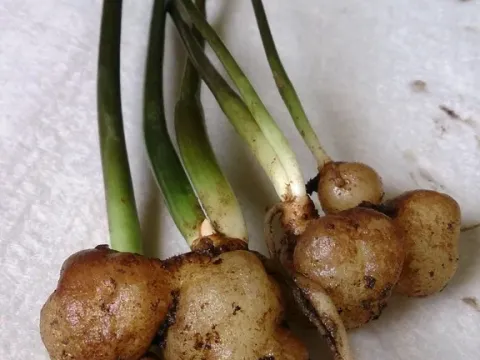
Zamioculcas (Zamioculcas zamiifolia) is a perennial tropical plant belonging to the Araceae family. Native to Eastern Africa, this species has developed a succulent underground rhizome, an evolutionary adaptation that allows it to store water and survive in arid savanna and rocky environments.
1
items
What the section contains
Marketplace
Products in this section · 1
Zamioculcas
Cultivation requires a well-drained, porous growing medium. Agronomists recommend a substrate composed of peat, coarse sand, and loamy soil to ensure optimal aeration. Proper drainage is essential to prevent waterlogging, which is the primary cause of physiological failure in this culture.
Regarding light, Zamioculcas is versatile but prefers bright, indirect lighting conditions. While it can tolerate low light, growth rates are significantly higher in moderate light environments. Direct sunlight should be avoided to prevent photo-oxidation and tissue burn on the leaf blades.
The optimal temperature range for active growth is between 18°C and 26°C. The plant is sensitive to thermal shock and drafts, which can negatively affect its hormonal balance and general health. Keeping the plant in a stable thermal environment is crucial for longevity.
Irrigation protocols must be conservative. The substrate should be allowed to dry out almost completely between waterings. During winter months, the plant enters a state of slowed metabolism, requiring significantly less water to maintain the integrity of its rhizomes.
Phytosanitary risks are primarily linked to improper moisture management. Overwatering leads to rhizome rot, which is often aggravated by fungal pathogens such as Pythium or Phytophthora. Immediate soil replacement and fungicide application are required if rot is detected.
Scale insects represent a significant pest threat to Zamioculcas. These insects adhere to the petioles and stems, draining sap and leaving sticky honeydew residues that can eventually attract sooty mold fungi, further compromising the plant's photosynthetic capacity.
Spider mites are common in environments with insufficient atmospheric humidity. They manifest as tiny white webs and cause yellowing of the leaves. Increasing ambient moisture and using systemic acaricides are standard control measures in professional plant management.
Mealybugs are another prevalent concern, often hiding in the axils of the leaves. Their presence can be identified by the characteristic white, waxy secretion. Manual removal followed by insecticidal treatment is recommended to prevent widespread infestation.
Effective management relies on proactive monitoring and hygiene. Keeping leaves free of dust ensures efficient gas exchange, while regular substrate checks help maintain the health of the underground organs, preventing the development of severe pest and disease outbreaks.