
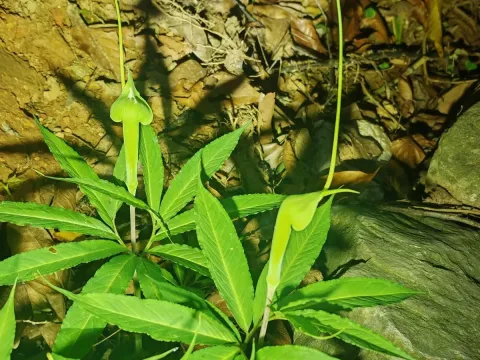
Jack-in-the-pulpit
Arisaema heterophyllum
Sowing seeds of Arisaema heterophyllum is best performed in late autumn directly into the soil or through a cold stratification process lasting at least two to three months. The optimal temperature for germination is between 15 and 20 degrees Celsius, ensuring the medium remains consistently moist.
What the section contains
Jack-in-the-pulpit
Vegetative propagation involves separating offset corms during the dormant phase, typically when the foliage has fully withered. Planting these offsets should occur early in the spring, just before the new growth emerges, ensuring they are buried at a depth of 5 to 10 centimeters.
To ensure healthy growth and disease prevention, a planting density of approximately 9-12 plants per square meter is recommended. This spacing facilitates proper air circulation, which is vital to keep the foliage dry and prevent rot in dense garden settings.
Seedlings require protection from harsh elements, particularly strong direct sunlight. Applying a layer of organic mulch helps retain moisture and replicates the natural environment of the forest floor, providing a stable microclimate during the initial growth stages.
Germination can be irregular, so it is advisable to leave the seedbed undisturbed for a period if no sprouts appear initially. Maintaining a moist, crumbly soil structure without waterlogging is essential to support the slow development of these unique plants.
Arisaema heterophyllum is a member of the Araceae family that demands conditions mimicking its native East Asian forest habitat. It thrives in fertile, humus-rich soil that is either neutral or slightly acidic, requiring a loose texture for proper aeration.
Good drainage is the most critical requirement for this crop. Water stagnation around the corm is lethal, quickly leading to bacterial and fungal rot; therefore, planting in raised beds or well-draining soil mixtures is highly recommended.
Climate-wise, the plant prefers moderate temperatures and high ambient humidity. In arid regions, supplemental irrigation or regular misting is necessary to prevent the leaves from drying out and to maintain overall plant vigor during the peak summer months.
Regarding light exposure, the plant is shade-loving. It prefers dappled light or full shade, as direct sunlight will scorching the leaves and inhibit development. Ideal locations include areas beneath trees or the shaded sides of structures.
The plant possesses a degree of cold hardiness but requires protection in areas prone to harsh winter conditions. A thick blanket of leaf mold or straw mulch can insulate the soil, preventing the corms from deep freezing and ensuring successful regrowth in spring.
The economic value of this crop is primarily found in its corms, which contain starch and medicinal compounds. A harvestable size is typically achieved within three to four years of planting, depending on soil nutrition and the consistency of the growing environment.
Yield varies based on cultivation intensity; a mature, healthy corm can weigh between 50 and 200 grams. Optimizing the nutrient balance, particularly with potassium and phosphorus, promotes larger corm development while preventing excessive nitrogen-induced leaf growth.
High yields depend heavily on the health of the planting stock. Using only vigorous, disease-free corms for planting significantly improves the success rate and ensures a more uniform product at harvest time, reducing waste and labor costs.
Crop management practices, such as seasonal nutrient application and weeding, are essential for sustained production. By maintaining soil health and fertility, growers can extend the productive life of the plot and achieve better quality in the final harvest.
Regular monitoring of the plantation allows for timely intervention if yield-limiting factors appear. Good agricultural practices, including proper crop rotation and site selection, play a vital role in ensuring consistent production over the life of the field.
Fungal infections, such as Fusarium rot, represent the most significant threat to Arisaema crops. These are almost always caused by poor soil drainage and waterlogged conditions, which allow pathogens to attack the corm during its dormant or growing stages.
Common pests include aphids and spider mites, which congregate on the underside of leaves to feed. Their activity weakens the plant and can facilitate the transmission of viruses, which are difficult to manage and often lead to poor overall health.
Slugs and snails can cause significant damage to emerging shoots in the spring. Implementing physical barriers, such as copper tape or gravel, or using safe bait traps can protect the young growth until the foliage becomes tough enough to resist damage.
Nematodes are another major concern, as they damage the corm tissue directly, leading to stunted growth. Preventing the introduction of infested soil or plant material is the most effective way to manage these subterranean threats to the crop.
Preventative maintenance, such as sanitizing garden tools and promptly removing symptomatic plants, is key to controlling the spread of disease. Early detection through regular visual inspections remains the best line of defense for a healthy crop.
Harvesting should be conducted in late autumn once the foliage has turned yellow and died back completely. This timing ensures that the plant's resources have been successfully translocated back into the corm for the winter dormant season.
When lifting the corms from the soil, care must be taken to avoid mechanical damage. Using garden forks or specialized digging tools is recommended to gently loosen the soil and lift the corms without slicing into the tender flesh, which would invite decay.
Post-harvest processing involves cleaning the soil off the corms and immediately sorting them by quality. Any damaged or unhealthy corms must be separated from the rest to protect the batch from potential rot during the storage period.
The corms should be dried in a dark, well-ventilated area. Direct sunlight must be avoided, as it can degrade the quality of the internal active components and alter the physical integrity of the harvest, making it less suitable for use.
Once dried, the corms are best stored in a cool environment (2-5 degrees Celsius) with good air circulation. Packing them in dry sand or wood shavings helps regulate humidity levels and provides additional protection during the winter storage phase.