
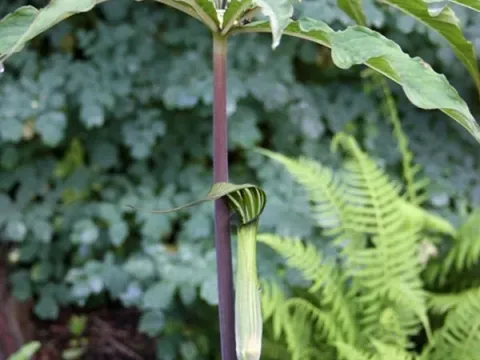
Arisaema decipiens
Arisaema decipiens
Propagation of Arisaema decipiens is primarily achieved through seeds or by dividing the tuberous bulbs. Seeds should be sown immediately after maturation in the autumn, allowing them to undergo natural stratification through the winter months in outdoor beds or cold frames.
What the section contains
Arisaema decipiens
For container sowing, use a porous, moisture-retentive substrate comprising peat, leaf mold, and sharp sand. The seeds should be planted at a shallow depth of about 1 to 2 centimeters to ensure healthy germination in the following spring.
When propagating via offsets, carefully separate the daughter tubers from the parent plant while it is in its dormant phase. It is essential to use a clean, sharp knife to minimize damage to the parent plant and ensure successful healing.
Apply crushed charcoal to any cut surfaces on the tubers to act as a natural antiseptic. This practice effectively prevents rot, which is a common issue when handling fleshy, moisture-rich storage organs like those of Arisaema.
Plant the tubers in their permanent location in late spring once the soil has warmed. Ensure the tuber is placed in a well-drained spot, potentially on a small bed of sand to improve drainage immediately around the roots.
As a member of the Araceae family, Arisaema decipiens thrives in conditions that mimic the temperate forest floor. It prefers partially shaded or fully shaded locations, protecting its foliage from direct, harsh sunlight.
The soil must be rich in organic matter, slightly acidic, and well-draining. Incorporating leaf mold or well-rotted compost into the planting site provides the necessary nutrients and structure to support vigorous growth.
Consistent moisture is a fundamental requirement during the growing season. While the plant requires regular watering, it is equally important to avoid waterlogged soil, which can rapidly lead to the decay of the underground parts.
In regions with harsh winters, protection is necessary. Applying a thick layer of mulch, such as dried leaves or pine needles, over the dormant tubers helps insulate the ground and prevents deep freezing of the root zone.
Fertilization should be gentle and organic-based. A top-dressing of compost or leaf mold applied in early spring as shoots emerge is usually sufficient to support the plant throughout its annual cycle.
The primary threats to Arisaema decipiens are fungal pathogens, specifically those causing tuber rot under conditions of poor drainage or overwatering. Maintaining a porous soil structure is the best prophylactic measure against these issues.
Slugs and snails can cause significant cosmetic damage to the foliage, particularly during damp weather. Implementing physical barriers or using pet-safe slug pellets can help manage these populations in a garden setting.
Soil-dwelling pests like wireworms may occasionally attack the tubers. Ensuring that the soil is healthy and properly cultivated often keeps the population of these pests below the damage threshold for the plant.
If indoor cultivation is attempted, spider mites can become an issue due to low air humidity. Regular misting of the surrounding air and maintaining good ventilation are effective ways to mitigate mite infestations.
Routine inspection of the plant base is recommended throughout the season. Identifying early signs of stress or pest activity allows for quick intervention, preserving the overall health and ornamental value of the specimen.