
Arisaema consanguineum
Arisaema consanguineum
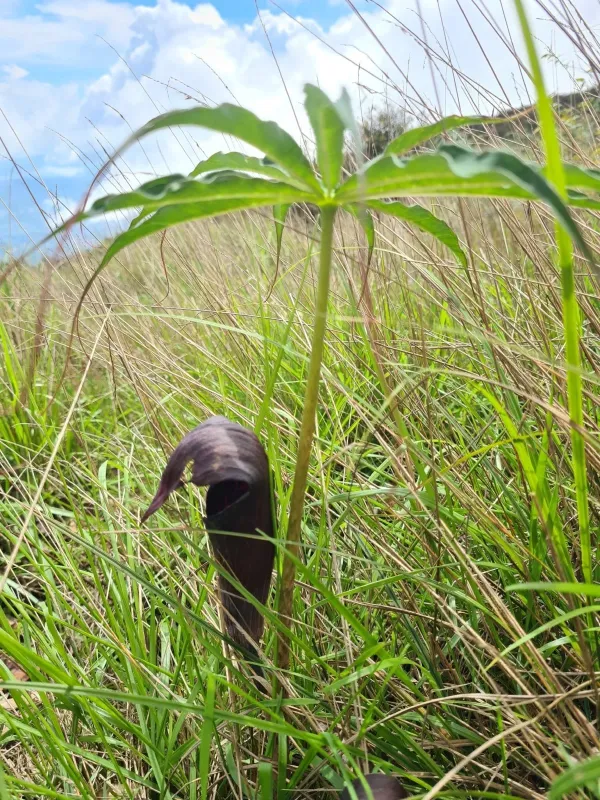
Description
Sowing dates
Propagation of Arisaema consanguineum is typically achieved through vegetative division of the tuberous offsets during the plant's dormant season. The optimal time for planting these tubers in an outdoor setting is early spring, ensuring the soil has warmed sufficiently and the threat of late frosts has passed.
Seed propagation requires stratification to break dormancy and ensure consistent germination rates. Seeds should be sown in a light, well-draining substrate, maintaining constant moisture levels, as the germination process can be slow and may extend over several months.
When selecting a site for planting, it is essential to prioritize locations that provide partial to full shade. Arisaema consanguineum thrives in woodland environments, where it is shielded from the harsh, direct sun that could otherwise cause leaf desiccation during the heat of the summer.
The depth of planting depends on the size of the tuber; generally, large tubers should be buried 5 to 10 centimeters deep. Proper depth ensures stability for the emerging stems and prevents the tuber from drying out too quickly during the early stages of growth.
Following planting, applying a layer of organic mulch, such as leaf mold or compost, is highly recommended. This practice helps to retain moisture in the soil, mimics the natural woodland floor, and protects the root system from sudden temperature fluctuations during the growing season.
Growing requirements
As a member of the Araceae family, Arisaema consanguineum originates from the mountainous regions of Asia and demands a rich, humus-based soil. The ideal growing medium is highly aerated and porous, allowing for rapid water drainage while retaining just enough moisture for healthy development.
The species requires a consistently moist environment but suffers significantly if subjected to waterlogged soil conditions. Gardeners should ensure adequate drainage by incorporating grit, perlite, or coarse sand into the planting hole, especially if the native soil has high clay content.
Optimal growth occurs in moderate climates with temperatures ranging between 18 and 25 degrees Celsius. The plant is sensitive to extremely dry air and heat waves, which can lead to premature dormancy; therefore, placing the plants in proximity to other moisture-loving vegetation creates a favorable microclimate.
Fertilization should be handled with caution, relying primarily on organic sources such as well-rotted compost. Chemical fertilizers with high nutrient concentrations can easily burn the sensitive tuberous roots, so it is safer to apply diluted liquid organic feeds during the peak of the growing season.
Light requirements for this species are specific: it thrives in filtered light or dappled shade. Exposure to intense afternoon sun will likely cause scorching of the foliage, which detracts from the plant's unique architectural appearance and reduces its overall vigor over time.
Main diseases and pests
The most significant threat to Arisaema consanguineum is fungal infection, particularly root rot caused by poor soil drainage. Symptoms include wilting of the foliage and blackened, mushy textures on the tuber, which are often irreversible if the plant has been exposed to prolonged dampness.
Slugs and snails are the primary pests of concern, especially during the spring when the plant produces its succulent, new shoots. These pests can cause extensive damage to the leaf structure overnight, necessitating the use of barrier controls or eco-friendly molluscicides to protect young growth.
Aphids may infest the plant during periods of low humidity or environmental stress, feeding on the undersides of the leaves. While usually not lethal in isolation, aphid colonies can transmit viral pathogens and cause stunted development, requiring early detection and appropriate insecticidal intervention.
Root-knot nematodes represent a hidden threat, as they disrupt the plant's nutrient uptake from within the root system. Prevention is key: always inspect tubers before purchase or planting, and avoid introducing soil from previously infested areas into the garden beds where these plants are established.
Botrytis, or grey mold, is a common fungal threat that thrives in humid, stagnant conditions with poor air circulation. To manage this risk, gardeners should ensure proper spacing between plants and promptly remove any decaying foliage to prevent the spread of spores throughout the garden area.