
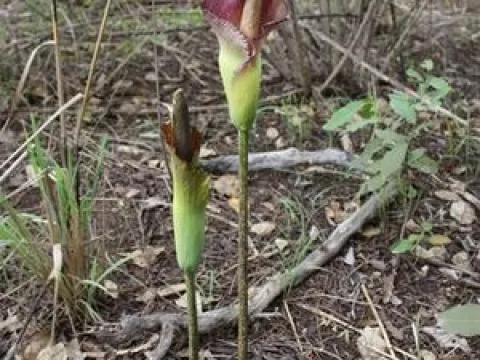
Amorphophallus johnsonii
Amorphophallus johnsonii
Amorphophallus johnsonii is a distinctive tropical perennial belonging to the Araceae family. Originating from the humid regions of West Africa, it has evolved to thrive in forest understories and shaded environments.
What the section contains
Amorphophallus johnsonii
The plant is characterized by a large underground corm that functions as a storage organ for starches and nutrients. From this corm, a single, impressive, multi-part leaf emerges, often reaching several feet in height during the growing season.
Cultivation requires a warm climate, with ideal temperatures ranging between 22 and 28 degrees Celsius. Protection from direct sunlight is crucial to prevent foliage scorching, which is a common issue for this species in exposed areas.
The soil must be well-draining, nutrient-rich, and loose to allow the large corm to develop properly. A mixture of organic compost and perlite is often recommended to maintain the necessary structural integrity of the growing medium.
Irrigation should be consistent while the plant is in active growth but must be significantly reduced during the dormancy phase. Excessive soil moisture during the dormant period is the leading cause of corm failure.
Fungal rots represent the primary threat to the health of the corm. These pathogens thrive in waterlogged conditions and can quickly lead to total loss of the plant if not addressed early.
Pests such as mealybugs and spider mites are frequent invaders of the foliage. Regular monitoring and the application of horticultural soaps can help mitigate these infestations before they spread.
Bacterial soft rot can occur if the corm is damaged during handling or harvesting. Proper sanitation of tools and treating wounds with fungicides are standard practices in professional propagation.
Poor ventilation in the growing space increases the likelihood of moisture-related diseases. Ensuring good air circulation around the plants can significantly reduce the risk of mold and bacterial issues.
Lack of proper nutrient balance can weaken the plant's natural defense systems. Periodic application of balanced fertilizers during the growth phase is essential for overall plant vigor.