
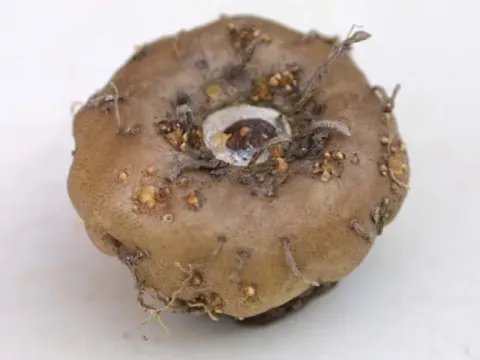
Amorphophallus haematospadix
Amorphophallus haematospadix
Amorphophallus haematospadix is a unique member of the Araceae family, native to the tropical regions of Southeast Asia. It is a tuberous perennial known for its distinct botanical structure and adaptive capabilities in forest environments.
What the section contains
Amorphophallus haematospadix
The plant thrives in loose, well-draining soil that is rich in organic matter. A soil mix containing perlite, coco coir, and compost is ideal to ensure that the heavy tuber does not remain in waterlogged conditions.
Environmental requirements include bright, indirect sunlight, as direct exposure can scorch the foliage. It mimics the light conditions of the forest floor, where the plant naturally resides beneath the canopy.
Humidity is paramount for the health of Amorphophallus haematospadix; it requires high ambient moisture to maintain its lush foliage during the growing season. Temperatures should be kept warm, ideally between 22 and 28 degrees Celsius.
Agricultural management involves a distinct cycle of growth and dormancy. During the active phase, consistent moisture and nutrient delivery are necessary, while during the dormant winter stage, the tuber requires cool, dry storage.
The most significant threat to this species is root and tuber rot, often caused by Erwinia bacteria or various fungi. These pathogens exploit damp, stagnant soil conditions to invade the plant's storage organ.
Pests such as spider mites and mealybugs frequently target the plant, especially in indoor environments with limited airflow. These infestations can rapidly drain the energy reserves stored within the tuber.
Preventive measures include maintaining proper soil aeration and avoiding overhead watering, which can trap moisture in the leaf petioles. Cleanliness in the growing environment helps reduce the likelihood of pest outbreaks.
When harvesting or transplanting, great care must be taken not to bruise the tuber. Any mechanical injury serves as a primary entry point for infectious agents, often leading to rapid tissue degradation.
Integrated pest management, combining physical inspection and targeted treatments, is essential for large-scale or hobbyist cultivation to ensure the long-term survival of the plant collection.