
Amorphophallus bulbifer
Amorphophallus bulbifer
Description
Sowing dates
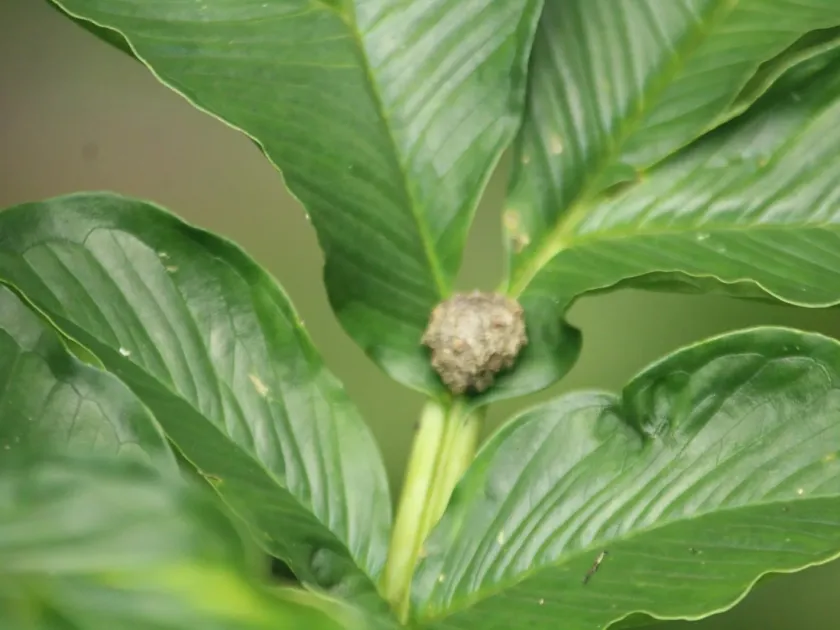
Amorphophallus bulbifer is unique for its method of propagation, as it develops bulbils on the leaf petiole. These bulbils can be harvested once the parent leaf yellows and dies back, then planted in a light, porous soil mix for propagation.
The main corms are planted at the end of the dormancy period, usually in late winter or early spring. They should be buried in the substrate at a depth corresponding to their size, generally between 5 and 10 centimeters deep.
Drainage is a critical factor during the sowing stage. Using a pot with ample drainage holes and a layer of coarse grit at the bottom ensures that water does not accumulate around the tuber, which prevents early rot.
The ideal temperature for activating growth is between 22 and 26 degrees Celsius. Providing bottom heat can be beneficial in colder climates to stimulate root development before the sprout breaks the surface of the soil.
Initial watering must be minimal. As the plant begins to show signs of leaf emergence, the frequency of watering can be increased gradually to match the development of the foliage and root system.
Growing requirements
This species belongs to the Araceae family and originates from the tropical regions of India and Southeast Asia. It thrives in environments that mimic the floor of a tropical forest, preferring warm temperatures and stable humidity.
Bright, indirect light is necessary for healthy growth. Intense direct sunlight can damage the leaves, causing bleaching or burning of the delicate tissue, while deep shade will result in weak, elongated petioles.
The soil should be a nutrient-rich, well-draining mixture, typically composed of peat, loam, and sand. Maintaining a slightly acidic to neutral pH level helps the plant absorb essential nutrients more effectively throughout the season.
During the active growth phase, Amorphophallus bulbifer requires high ambient humidity. In indoor settings, placing the plant on a tray filled with wet pebbles or using a humidifier can significantly improve the growth performance.
A dormant period is essential for the health of the tuber. Once the leaf wilts, the tuber should be kept dry and in a cool, dark location until the next growing season, allowing it to recover energy reserves.
Main diseases and pests
The primary concern for growers is the development of soft rot caused by overwatering or poor soil aeration. This condition manifests as dark, mushy spots on the tuber and an unpleasant odor indicating bacterial decomposition.
Pests such as spider mites and mealybugs are common, especially in drier environments. These insects hide in the crevices of the petiole and under the leaves, draining the plant's vitality and weakening the corm.
Fungal leaf spots can occur if the foliage remains wet for extended periods in low-light conditions. Ensuring good air circulation around the leaf canopy is a preventative measure against most foliage diseases.
If infestation occurs, insecticidal soaps or systemic treatments can be applied. However, caution must be taken to ensure the chemicals are safe for use on ornamental Aroids and do not damage the plant's skin.
Maintaining a strict hygiene protocol, including the use of sterilized soil and clean pots, effectively minimizes the risks of soil-borne pathogens. Monitoring the tuber during the dormant period is also advised to catch any early signs of disease.