
Amorphophallus atroviridis
Amorphophallus atroviridis
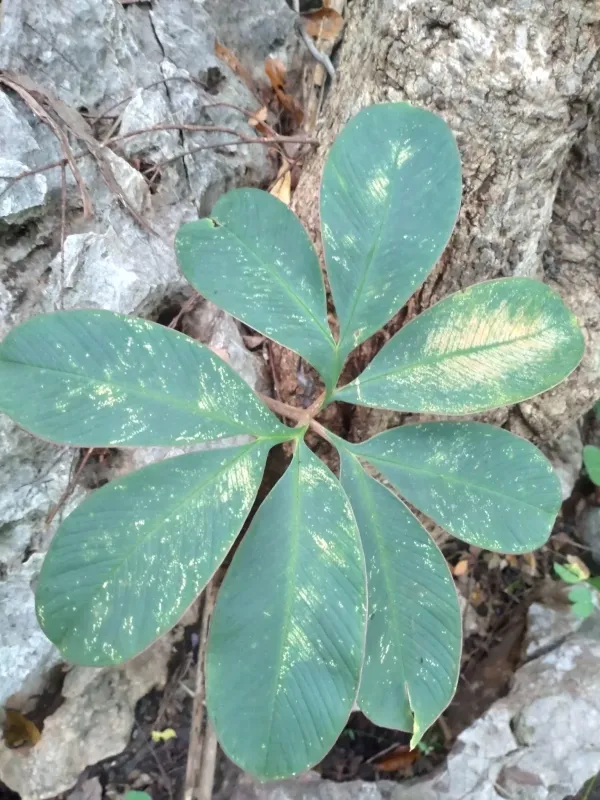
Description
Growing requirements
Amorphophallus atroviridis is a distinctive herbaceous perennial belonging to the Araceae family, native to the tropical regions of Thailand and surrounding Southeast Asian territories.
The cultivation of this species requires a stable tropical climate with temperatures between 22 and 28 degrees Celsius, which are essential for its vigorous growth and tuber development.
Soil requirements focus on high drainage and organic content. A loose substrate composed of peat moss, pine bark, and perlite provides the ideal environment for the root system to thrive.
Proper light management is crucial; the plant performs best in filtered or partial shade conditions, as direct sunlight tends to scorch the foliage and deplete water reserves too quickly.
Consistent humidity levels, ideally maintained above 65%, must be strictly managed in greenhouse settings to replicate the natural rainforest floor conditions of the plant's origin.
Main diseases and pests
Fungal pathogens and bacterial soft rot remain the primary threats to Amorphophallus atroviridis, typically triggered by waterlogged soils or inadequate aeration during the growing phase.
Pests such as spider mites, mealybugs, and aphids represent frequent challenges, particularly when indoor humidity levels drop significantly during the winter months.
Integrated pest management protocols, including regular visual monitoring and targeted horticultural oils, are effective for maintaining plant health throughout the season.
Sanitation practices, such as the sterilization of planting containers and tools, are fundamental in preventing the transmission of soil-borne pathogens in commercial nursery production.
Monitoring the tuber's firmness during the dormant stage is essential, as any softening typically indicates the onset of rot, necessitating immediate surgical intervention and fungicides.