
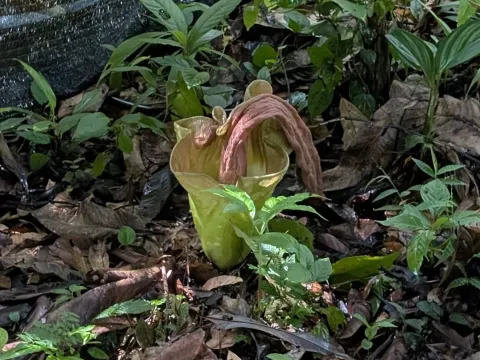
Amorphophallus lambii
Amorphophallus lambii
Amorphophallus lambii belongs to the Araceae family and is a specialized tuberous crop originating from the tropical rainforests of Borneo. It is characterized by a unique developmental cycle involving a distinct dormant phase and a growth phase.
What the section contains
Amorphophallus lambii
The crop requires a strictly controlled tropical climate with temperatures consistently ranging between 22°C and 28°C. Any exposure to temperatures below 15°C can cause severe physiological stress and potentially fatal damage to the tuber.
Soil requirements for this species are specific: a well-draining, highly porous substrate is essential. Growers typically utilize a mixture of coco coir, pine bark, and horticultural perlite to ensure optimal aeration for the root system.
Humidity management is a critical aspect of Amorphophallus lambii cultivation. Ideally, the ambient humidity should remain above 70% during the active growing season to ensure healthy foliage development and prevent leaf margin necrosis.
Light intensity should be kept moderate. Bright, direct sunlight is generally detrimental, causing leaf scorch and dehydration. Utilizing 50% shade cloth in greenhouse environments is the recommended practice for protecting the plant's delicate architecture.
The primary threats to the health of Amorphophallus lambii are fungal and bacterial pathogens, particularly soft rot (Erwinia spp.). These infections are almost always a secondary effect of improper irrigation management and poor soil drainage.
Pest pressure is frequently observed from spider mites and mealybugs. These insects thrive in enclosed greenhouse environments and can rapidly devastate the plant by feeding on the sap of the large, fleshy leaves.
Sanitation is the cornerstone of effective disease management for this species. It is crucial to use sterilized equipment and high-quality potting media to prevent the introduction of soil-borne pathogens into the collection.
Monitoring for infestations should occur on a weekly basis, focusing on the undersides of leaves and leaf petioles. Early detection allows for physical removal of pests, which is often sufficient to manage light infections without chemical intervention.
If chemical treatments become necessary, growers should avoid oils or harsh surfactants that could burn the sensitive cuticle of the plant leaves. Always perform a patch test on a small area of the plant before applying a full treatment.