
Amorphophallus margaritifer
Amorphophallus margaritifer
Amorphophallus margaritifer is a perennial tuberous plant belonging to the Araceae family. Originating from the tropical forests of India, this species thrives in humid environments with dappled sunlight, which is crucial for its development.
What the section contains
Amorphophallus margaritifer
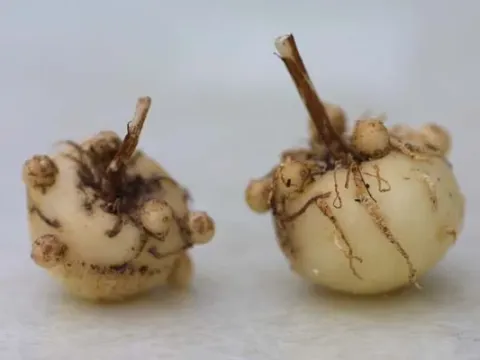
The plant features a large underground tuber from which a single, highly dissected leaf emerges, supported by a distinctive patterned petiole. This architectural appearance makes it a sought-after subject for botanical collections.
Temperature management is vital; the plant requires a warm environment ranging from +22°C to +28°C during the growing season. In non-tropical regions, it is strictly grown in greenhouses or as an indoor container plant.
The soil substrate must be highly porous and well-draining to prevent the tuber from sitting in excess moisture. A mixture of peat, leaf mold, and coarse sand provides the necessary environment for healthy root expansion.
During the dormant period, the leaf typically yellows and dies back. At this stage, it is essential to cease watering completely and store the tubers in a cool, dry place to prevent rot until the next growth cycle begins.
Soft rot caused by bacterial or fungal pathogens is the most significant threat to Amorphophallus margaritifer. This condition often results from waterlogging, which quickly compromises the integrity of the tuber.
Spider mites are common pests that thrive in the dry air of indoor environments. They feed on the sap of the foliage, leading to yellowing and premature drying of the leaf blade if left untreated.
Mealybugs can often colonize the petiole and leaf bases, causing stunted growth and deformity. Effective management includes wiping the affected areas with systemic insecticides or specialized cleaning solutions.
Fungal leaf spots can occur when air circulation is poor, especially if moisture remains on the foliage for extended periods. Maintaining proper ventilation is the best strategy to prevent these infections.
Root-knot nematodes can cause significant damage in open ground or if contaminated soil is used. Ensuring the use of pasteurized or clean growing media is essential to maintain the health of the subterranean parts.