
Stenotaenia
Stenotaenia
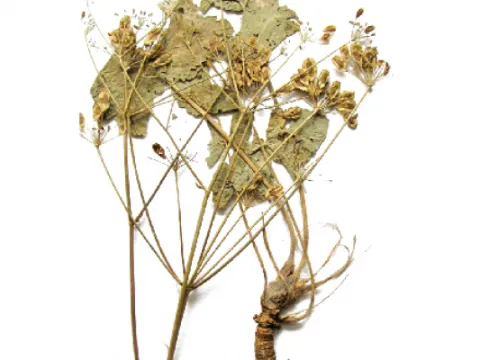
Stenotaenia is a genus of perennial herbaceous plants belonging to the family Apiaceae. Like many members of this family, these plants possess characteristic compound umbel inflorescences and deeply divided, often dissected foliage that serves as an adaptation to specific environmental niches.
What the section contains
Stenotaenia
The primary distribution of this genus is concentrated in the Caucasus region, where it naturally occupies stony slopes, limestone outcrops, and high-altitude meadows. These environments typically feature well-drained, nutrient-poor soils that receive ample solar radiation throughout the growing season.
Botanically, Stenotaenia is noted for its resilient root system, which is essential for survival in environments characterized by limited water availability and fluctuating temperatures. This adaptation allows the plants to thrive in regions where other herbaceous vegetation might struggle due to moisture stress.
In terms of habitat requirements, the genus thrives in sites with excellent drainage and full exposure to sunlight. They are highly intolerant of waterlogged, heavy soils, which can induce fungal pathogens and root rot, making them strictly suited for specific mountainous or rocky terrains.
While Stenotaenia species are not commonly cultivated as agricultural crops, they remain of significant interest to botanical researchers and conservations. Their presence in wild ecosystems is a testament to the evolutionary success of the Apiaceae family in adapting to diverse and harsh landscape conditions.