
Taenidia
Taenidia
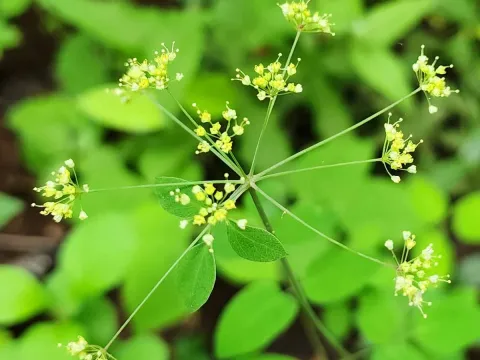
Taenidia, specifically represented by the species Taenidia integerrima, is a perennial herb belonging to the Apiaceae (parsley) family. It is native to North America, where it thrives in open woodlands, rocky slopes, and prairies, showcasing high ecological adaptability.
What the section contains

Taenidia
The plant features a smooth, branching stem and compound leaves that form a robust structure. It produces bright yellow flowers arranged in complex umbels, which serve as a significant food source for local pollinators and insects during the spring blooming season.
Cultivation requires specific environmental conditions, primarily focusing on well-drained, neutral to alkaline soils. Taenidia exhibits notable drought tolerance once established, making it a viable candidate for sustainable landscaping and low-maintenance planting programs.
Agrotechnical management involves careful seedbed preparation to ensure good contact with soil moisture, as germination can be slow. The plant requires minimal fertilization, as excessive nutrient levels often promote weak growth and susceptibility to environmental stressors.
Beyond its ecological value, Taenidia is gaining attention for its potential use in meadow restorations and native planting projects. Its ability to survive in diverse conditions makes it an excellent choice for stabilizing soil on slopes and enhancing biodiversity in agricultural margins.
Common threats to Taenidia include various fungal diseases that proliferate in high-humidity conditions. Powdery mildew is the most frequent issue, often requiring better ventilation between plants and moisture management to prevent widespread infections.
Root rot is a significant risk in heavy or poorly drained soils. Farmers must ensure proper soil structure before planting to allow for adequate oxygenation of the root system, which is essential for the long-term survival of this perennial.
Pests such as aphids are known to colonize the succulent parts of the plant during the early growth phase. If left untreated, these infestations can weaken the plant and reduce its aesthetic and physiological vigor throughout the season.
Caterpillars feeding on the foliage can cause substantial damage in large populations. Integrated pest management strategies, including the encouragement of natural predators, are recommended to maintain plant health without excessive chemical intervention.
Viral infections transmitted by sap-sucking insects are also a potential threat to the vigor of Taenidia stands. Maintaining field hygiene and removing infected plant debris helps mitigate the spread of these pathogens across the cultivation area.