
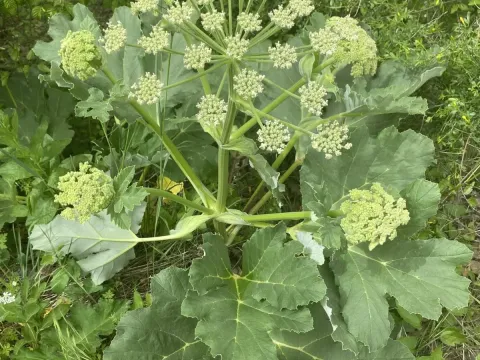
Steven's Hogweed
Heracleum stevenii
Steven's Hogweed (Heracleum stevenii) is a prominent herbaceous perennial belonging to the Apiaceae family. It is native to the Caucasus region and is recognized for its significant biomass production and robust structural development.
What the section contains
Steven's Hogweed
The plant is characterized by a deep taproot system and a tall, hollow, ridged stem. Botanically, it is classified as a biennial or short-lived perennial, which invests heavily in vegetative growth during the first year of its life cycle.
Soil requirements for Heracleum stevenii include well-drained, nutrient-rich loams. It thrives in locations where there is minimal competition from other aggressive species, though it is highly adaptable to various soil pH levels, preferring neutral or slightly alkaline conditions.
Climate preferences involve high levels of solar radiation during the growing season combined with adequate moisture availability. It is a temperate-zone species that possesses excellent cold hardiness, allowing it to survive extreme winter frosts without injury to the root crown.
Cultivation practices must include precise site selection to ensure enough space for the plant to mature. Regular nitrogen fertilization is often practiced if the plant is grown as an industrial or biomass crop, ensuring the rapid development of its characteristic broad leaves.
The primary fungal threats to Steven's Hogweed include powdery mildew and various leaf spot pathogens that emerge during periods of stagnant humidity. These diseases can lead to premature leaf drop and weakened plant vigor.
Pests such as the hogweed moth are of particular concern as they specialize in damaging the inflorescences. While often detrimental to biomass yield, this predation helps control the spread of seeds if the plant is being managed as a crop.
Soil-borne pathogens like Rhizoctonia species can affect young seedlings during the early stages of establishment. Effective disease management requires sterilized planting mediums and proper spacing to facilitate air circulation.
Mechanical management is the most effective approach to control its spread. Harvesting the stems before the seeds mature prevents unwanted self-seeding and depletion of soil nutrients by unwanted plant offspring.
Integrated pest management strategies involve the use of targeted biological controls to suppress population explosions of insects. Monitoring the crop for early symptoms of infestation is essential for successful yield optimization.