
Spignel
Meum
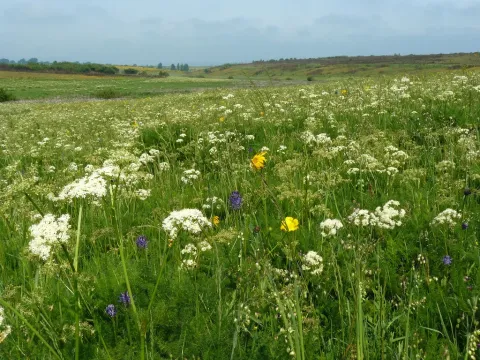
Spignel, scientifically known as Meum athamanticum, is a perennial herb belonging to the Apiaceae family. It is native to the mountain meadows and pastures of Europe, where it thrives in cool, moist, and well-drained soils.
What the section contains

Spignel
The seeds of this plant have a dormant period and require cold stratification to germinate successfully. It is recommended to sow them in late autumn or early spring, allowing the natural temperature fluctuations to prepare the seeds for growth.
When planting, ensure the soil surface is finely prepared and moist. Lightly press the seeds into the soil, as they need a bit of light to germinate effectively; do not cover them with a thick layer of soil.
Indoors, seeds can be started in trays filled with a lightweight, sandy-peat mixture. Once the seedlings reach a height of a few centimeters and show a couple of true leaves, they can be carefully hardened off and transplanted outdoors.
Spacing is essential for the healthy development of this plant. A distance of approximately 30-40 centimeters between plants allows for proper airflow, reducing the risk of fungal infections in the lush foliage.
Spignel is well-adapted to cooler climates and can withstand harsh winter conditions. It prefers a location that offers partial shade, especially in areas where summer heat becomes intense during the afternoon.
The soil must be fertile, rich in organic matter, and slightly acidic to neutral. Good drainage is non-negotiable, as waterlogged conditions in winter are the primary cause of plant death for this species.
Regular watering is necessary during the growing season to keep the soil consistently moist. However, once established, the plant is moderately resilient to short periods of drought, provided the soil remains cool.
Maintenance involves seasonal weeding and the application of organic mulch to keep the roots cool. Fertilizer should be used sparingly, as excessive nitrogen can lead to weak growth and lower levels of the plant's natural essential oils.
The entire plant is highly aromatic. Historically, it has been used as a flavorful herb in cooking to add a celery-like, nutty taste to soups and stews, while its roots have been valued in traditional herbal medicine.
The most common issues affecting Spignel are fungal infections, such as powdery mildew, which thrive in poorly ventilated or excessively humid conditions. Proper plant spacing is the best preventative strategy.
Aphids can be a significant pest, particularly during the tender growth stages in spring. Washing the leaves with a gentle stream of water or using organic insecticidal soap usually provides effective control.
Root rot is a major threat caused by poor soil drainage. If the leaves start to wilt unexpectedly, it is often a sign that the root system is struggling due to saturated soil conditions.
Snail and slug damage can occur during rainy weather. Providing barriers or using environmentally friendly bait can help protect the young, delicate leaves of the plant during the early growth phase.
Regular monitoring of the garden bed and removing dead plant debris helps eliminate potential hiding spots for pests and prevents the buildup of fungal spores throughout the growing cycle.