
Sweet Cicely
Myrrhis
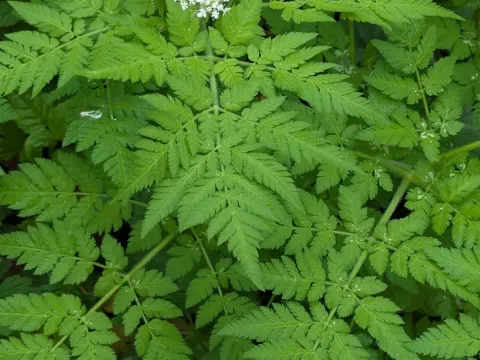
Sweet Cicely (Myrrhis odorata) is a perennial herbaceous plant belonging to the Apiaceae family. Native to the mountain regions of Europe, this plant is well-adapted to cooler climates and shaded environments.
What the section contains

Sweet Cicely
Propagation is primarily achieved through seeds. Because the seeds are slow to germinate and require a period of cold stratification, sowing in late autumn is highly recommended to mimic natural conditions.
For spring sowing, seeds should be stratified in a refrigerator for at least 6-8 weeks before planting. Sowing depth should be approximately 1-2 cm, ensuring the soil remains consistently moist during the germination process.
If started indoors in trays, seedlings should be transplanted carefully once they reach the 3-4 leaf stage. The plant develops a deep taproot, which makes frequent moving or transplanting difficult; therefore, choosing the final location carefully is essential.
Spacing between plants should be at least 40-50 cm to allow for the extensive growth of the foliage rosette. Overcrowding can lead to poor air circulation, increasing the risk of diseases.
Sweet Cicely thrives in semi-shaded to shaded areas. While it can tolerate more sun in cooler regions, it typically prefers protection from intense midday heat to maintain the quality and aroma of its leaves.
The soil should be deep, fertile, and rich in organic matter. A moist, well-draining loamy soil with a near-neutral pH is ideal for promoting healthy development of both foliage and roots.
Consistent moisture is key to success. During dry spells, regular watering is necessary, as the plant does not tolerate drought well. Mulching with compost helps retain soil moisture and suppresses weeds.
This species is exceptionally hardy and capable of surviving harsh winters without specific protection. It begins to break dormancy very early in the spring, often being one of the first perennial herbs to provide fresh foliage.
Fertilization with a balanced organic compost in the early spring is usually sufficient. Avoid excessive nitrogen late in the season to prevent weak growth that may be vulnerable to frost damage.
Sweet Cicely is generally robust but can be prone to powdery mildew, especially in damp, overcrowded conditions. Proper spacing and ensuring good airflow around the plants are the best preventative measures.
Pests like aphids may occasionally infest the tender new shoots. Natural remedies, such as insecticidal soaps or neem oil, can be used to manage populations without affecting the culinary quality of the leaves.
Root rot can occur in poorly drained soils or during exceptionally wet summers. Ensuring the planting site has excellent drainage is a critical step in site selection to avoid this issue.
Slugs and snails can sometimes target young seedlings. Using organic barriers or traps around the base of the plant can provide adequate protection during the early stages of growth.
Maintaining a clean garden environment by removing dead foliage and debris in late autumn helps reduce the potential for overwintering pests and fungal pathogens.
The culinary versatility of Sweet Cicely is high, with leaves, seeds, and roots being edible. The plant is prized for its delicate anise-like fragrance and mild, natural sweetness.
Fresh leaves can be harvested throughout the growing season, starting in early spring. It is best to harvest young leaves as they are more tender and flavorful, while avoiding over-harvesting from a single plant.
The green seeds can be harvested when they are in the milk stage for use in desserts or fruit dishes. If allowed to fully mature, the seeds turn dark brown and can be collected for propagation.
Roots can be harvested in late autumn from plants that are at least two years old. They should be thoroughly cleaned and can be cooked similarly to parsnips or dried for medicinal use.
Culinary applications include adding fresh leaves to fruit salads, rhubarb dishes, or using them in herbal teas. Due to its natural sweetness, the herb can help reduce the amount of sugar needed in cooked fruit preparations.