
Spermolepis
Spermolepis
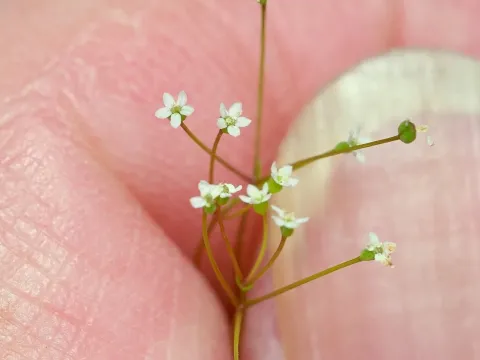
Spermolepis is a genus of annual herbaceous plants belonging to the Apiaceae family. These plants are native to North and South America, where they thrive in diverse ecological niches.
What the section contains


Spermolepis
The culture prefers well-drained, sandy to sandy-loam soils with a neutral pH level. Its natural adaptation to semi-arid regions makes it resilient to irregular water supply.
Full sun exposure is critical for the development of Spermolepis. Shaded areas significantly inhibit growth and reduce the plant's ability to produce seeds effectively.
Climatic requirements focus on a warm growing season. The plant exhibits high heat tolerance but requires protection from waterlogging, which can be detrimental to its root system.
Agrotechnical management relies on maintaining soil aeration and avoiding excessive fertilization, which could lead to an imbalance in the plant's natural growth cycles.
Powdery mildew represents a major threat to Spermolepis, especially in environments with high humidity or poor air circulation within the plant canopy.
Aphids are the most common pests that affect the culture. They typically gather on young shoots and floral stalks, causing physical damage and stunted growth.
Root rot, often caused by stagnant water, is a significant danger that can be mitigated through strict irrigation control and proper soil drainage planning.
Preventive measures include crop rotation and the removal of crop residues to avoid the overwintering of pathogens and harmful insect larvae in the soil.
Integrated pest management, focusing on beneficial insects and biological controls, is highly recommended to protect the health of the crop without environmental impact.