
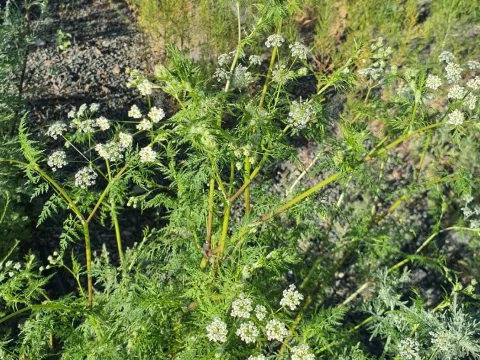
Sphallerocarpus
Sphallerocarpus
Sowing of Sphallerocarpus is typically planned for the spring period once the soil temperature reaches +8 to +10 degrees Celsius. To ensure uniform germination, seeds require stratification, as they undergo a natural dormancy period during winter.
What the section contains

Sphallerocarpus
Seeds should be sown at a depth of no more than 1.5–2 centimeters. It is crucial to maintain consistent soil moisture for the first two to three weeks after sowing to prevent the surface layer from drying out.
The sowing pattern depends on the production objectives, but a wide-row method with spacing up to 45 centimeters is most common. This facilitates mechanized cultivation and weeding operations.
In commercial-scale cultivation, seeds are sown using precision vegetable seed drills to ensure an even distribution of planting material across the field.
Seedlings usually emerge 20–30 days after sowing, depending on the humidity and temperature conditions of the local environment.
Sphallerocarpus is a genus of perennial herbaceous plants belonging to the Apiaceae family, distributed primarily across Eastern Asia, including regions of Siberia, the Far East, Mongolia, and China.
The plant prefers well-lit areas with moderately moist soil, although it exhibits a high degree of ecological plasticity. In the wild, the crop is frequently found in meadows, steppe slopes, and along riverbanks.
Light sandy loam or loamy soils rich in organic matter are considered best for cultivation. Waterlogging is detrimental to this plant, so areas with high groundwater levels are unsuitable.
The crop is sufficiently frost-hardy and capable of enduring the harsh winters characteristic of continental climates without additional cover, making it a promising candidate for northern regions.
Agronomic requirements include regular soil loosening to ensure oxygen access to the root system, which is particularly important during the active vegetative growth phase.
The economic value of Sphallerocarpus is primarily linked to its medicinal properties, specifically the presence of essential oils and coumarins in its roots and seeds.
Harvesting of the raw material is conducted in the second year of the plant's life, when the concentration of biologically active substances in the tissues reaches its peak.
The dry root biomass yield can vary depending on soil fertility and the level of agronomic care, averaging between 1.5 and 3 tons per hectare.
Seeds are harvested during the period of full biological maturity when the umbels begin to turn brown, which prevents self-seeding and minimizes losses due to shattering.
After harvesting, the raw material is dried in well-ventilated rooms or specialized driers at temperatures not exceeding 45 degrees to preserve its therapeutic properties.
Like other members of the Apiaceae family, Sphallerocarpus can be susceptible to typical fungal diseases such as powdery mildew or gray rot.
In conditions of excessive humidity, root neck rot is possible; therefore, it is important to practice crop rotation and avoid overly dense plantings to ensure adequate ventilation.
Among pests, the carrot fly and various species of aphids pose the greatest threat, as they can damage young leaves and inflorescences, thereby reducing the marketable quality of the yield.
Integrated pest management strategies, including the use of biological control agents and timely weeding of host weeds, are recommended to combat harmful organisms.
Systematic monitoring of the fields allows for the early detection of infestation sites and minimizes economic damage without relying on harsh chemical pesticides.
The harvest of roots is performed at the end of the vegetation period when the above-ground part begins to wilt naturally, and nutrients are concentrated in the underground organs.
The roots are carefully extracted from the soil using specialized tools or plows, taking care not to damage the bulk of the raw material, as physical damage leads to rapid spoilage.
- Removal of soil and plant debris.
- Washing in running water to remove substrate residues.
- Cutting into fragments to accelerate the drying process.
- Spread in thin layers for dehydration.
- Storage in dry, dark, and ventilated facilities.
Once the drying process is complete, the product is packed into bags or containers that provide protection against moisture and pests for the entire duration of storage.