
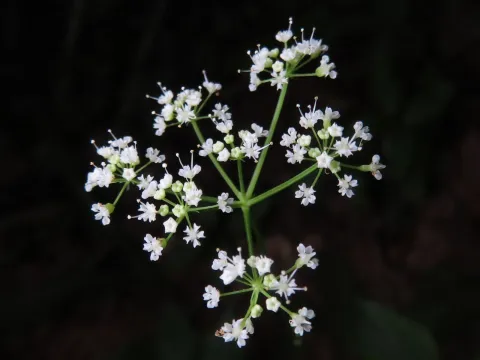
Spuriopimpinella
Spuriopimpinella
Spuriopimpinella is a genus of herbaceous plants belonging to the Apiaceae family, characterized by its distinct umbellate inflorescences. These plants are scientifically interesting due to their unique physiological adaptations to temperate environments.
What the section contains

Spuriopimpinella
Native primarily to East Asian regions, these plants flourish in habitats ranging from forest margins to alpine meadows. They are adapted to climates that provide moderate moisture levels and stable temperature regimes throughout the growing cycle.
Regarding soil requirements, the crop thrives in well-drained, loamy soils rich in organic matter. A neutral to slightly acidic pH range is considered optimal for nutrient uptake and root development.
Field management requires precise spacing to allow for adequate airflow between plants, which is essential for disease prevention. Regular inter-row cultivation is necessary to prevent weed competition and to optimize soil oxygen levels.
During the vegetative growth phase, providing sufficient hydration is critical. While the plants show some drought tolerance, consistent moisture promotes higher biomass yield and better essential oil accumulation in the tissues.
The primary threats include fungal diseases such as powdery mildew, which often manifest during periods of high humidity and poor circulation within the canopy.
Pest pressures primarily come from umbellifer-feeding insects, including specific moth species and aphids that target the succulent growing tips of the plant.
Management strategies involve the use of biological control agents and strict adherence to crop rotation, which breaks the lifecycle of soil-borne pathogens.
Producers must also be vigilant against viral pathogens, which are often transmitted by sap-sucking insects, necessitating effective vector control programs.
Regular monitoring and rapid identification of localized outbreaks are the most effective ways to ensure the longevity and health of the crop plantation.